
 By asahifile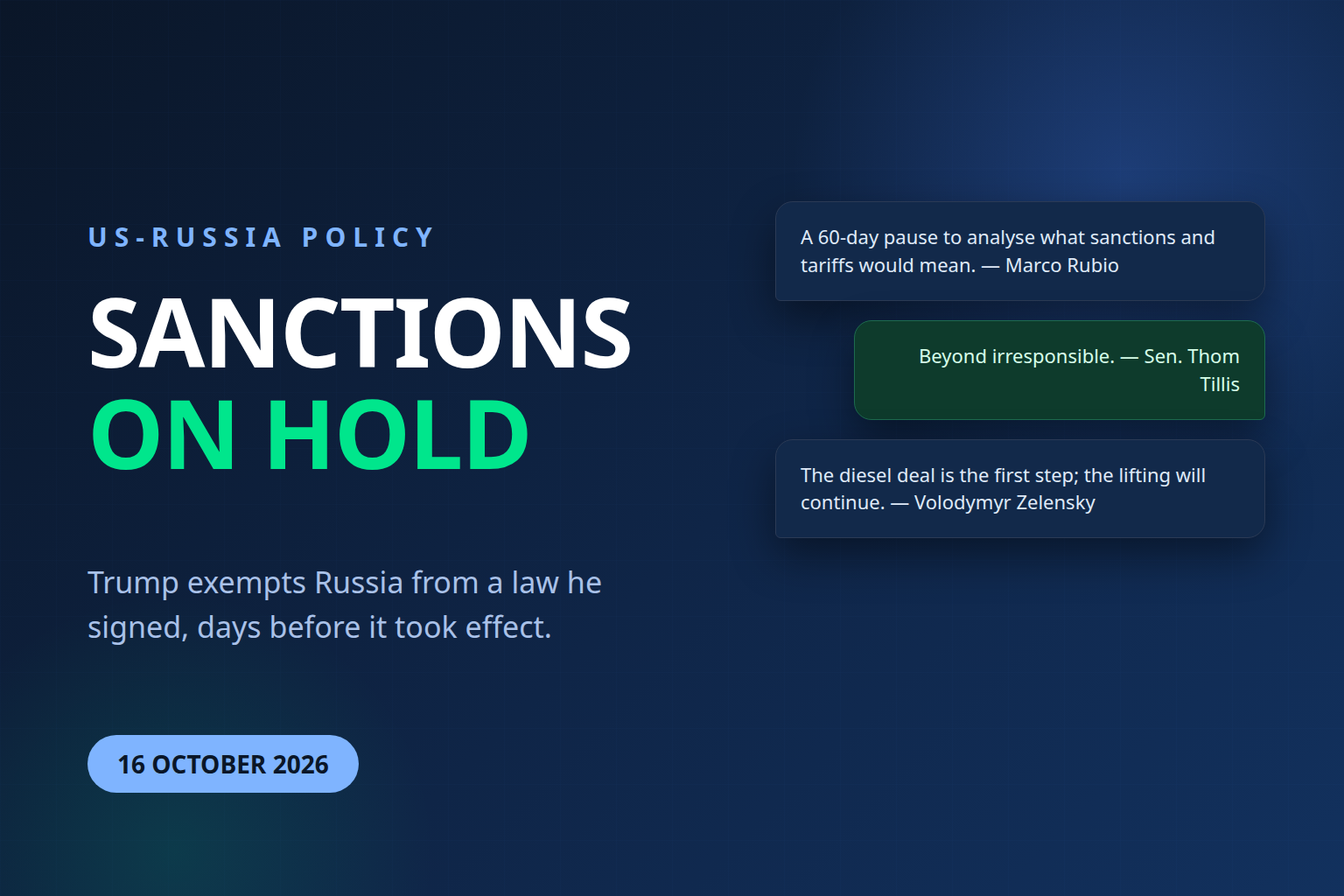
President Donald Trump signed an executive order late on Friday waiving the sweeping sanctions, restrictions and duties in the Lindsey O. Graham Sanctioning Russia and Iran Act of 2026 — a law he had signed a month earlier, that the Senate had passed 86-11, and whose measures were due to bite on Sunday.
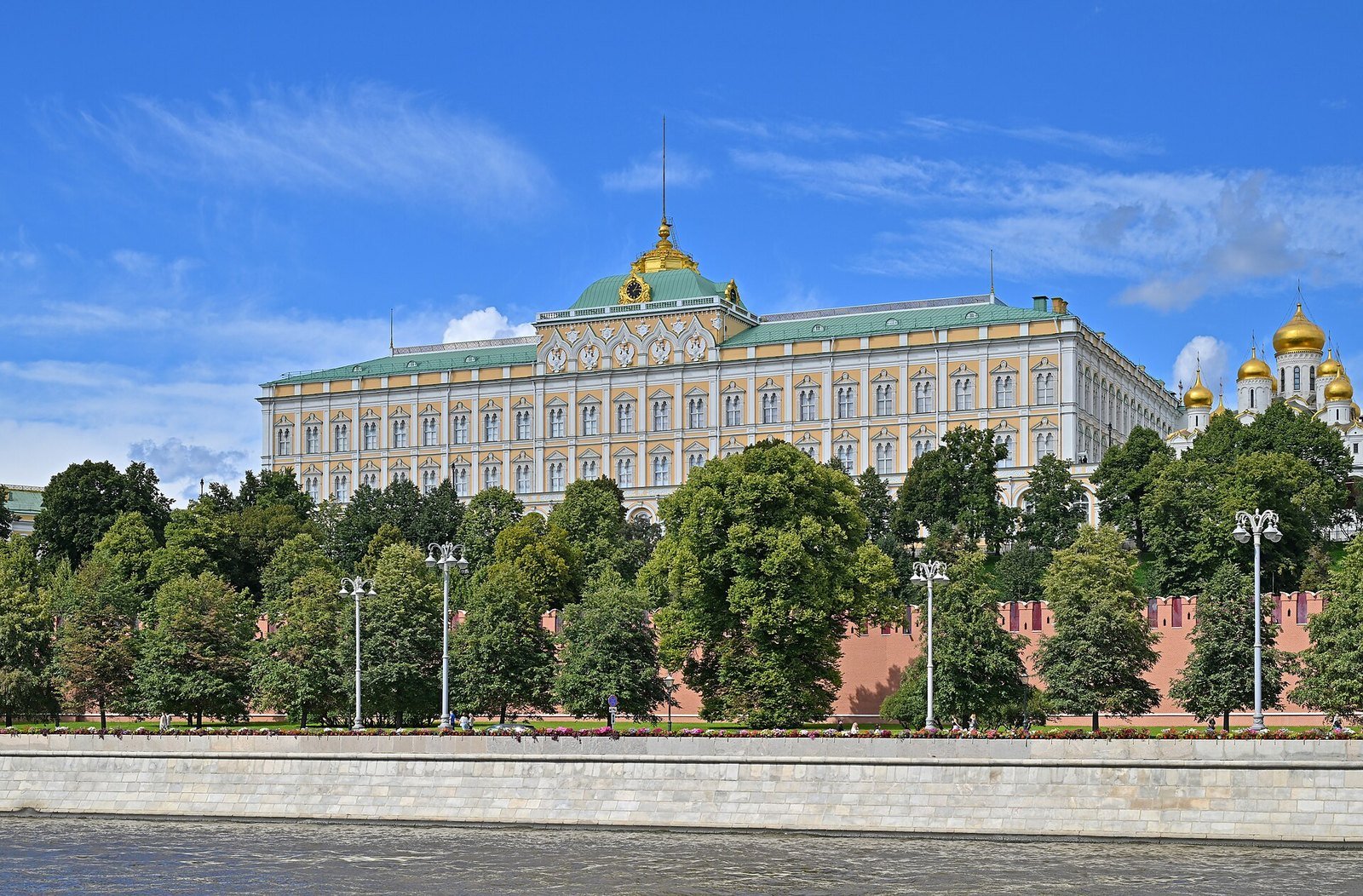
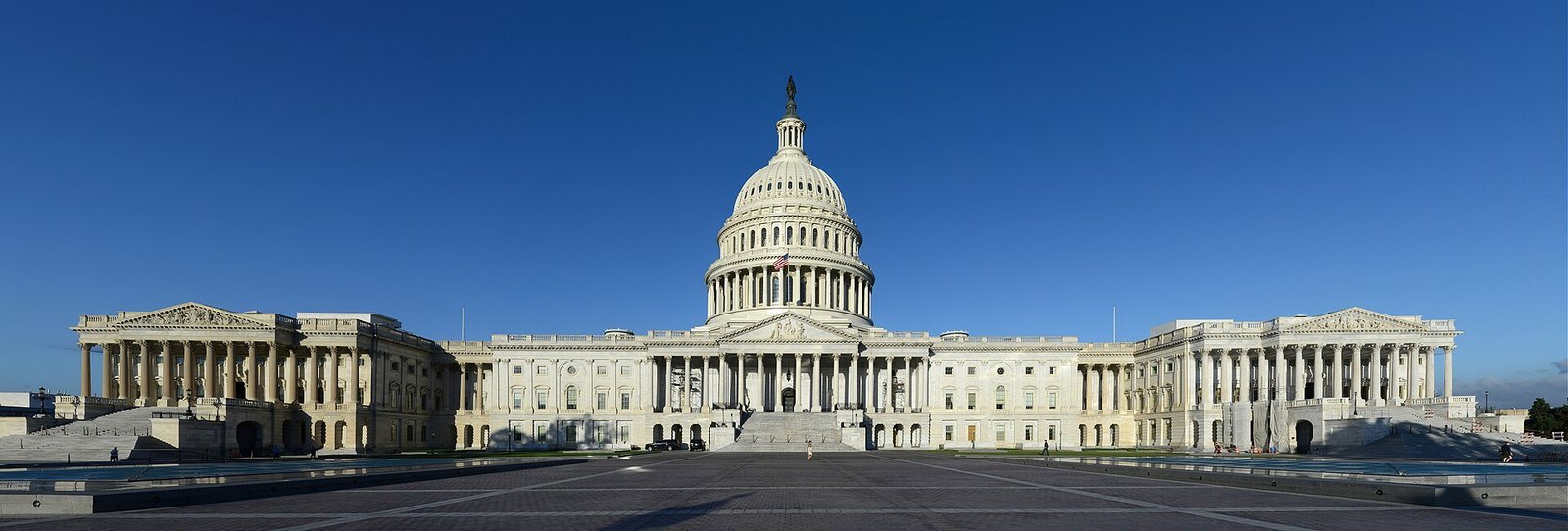
The order drew condemnation from both parties in Congress, which is in recess until after the 3 November midterm elections and unlikely to mount a swift legislative counter.
What the order actually covers
The Graham Act, signed into law on 18 September 2026, was designed to choke off the money financing Russia’s war in Ukraine. It would have raised the duty on Russian goods by 500 per cent ad valorem, with 100 per cent duties on the five largest importers of Russian crude oil and natural gas and on the top five facilitators of Russian oil sanctions evasion.
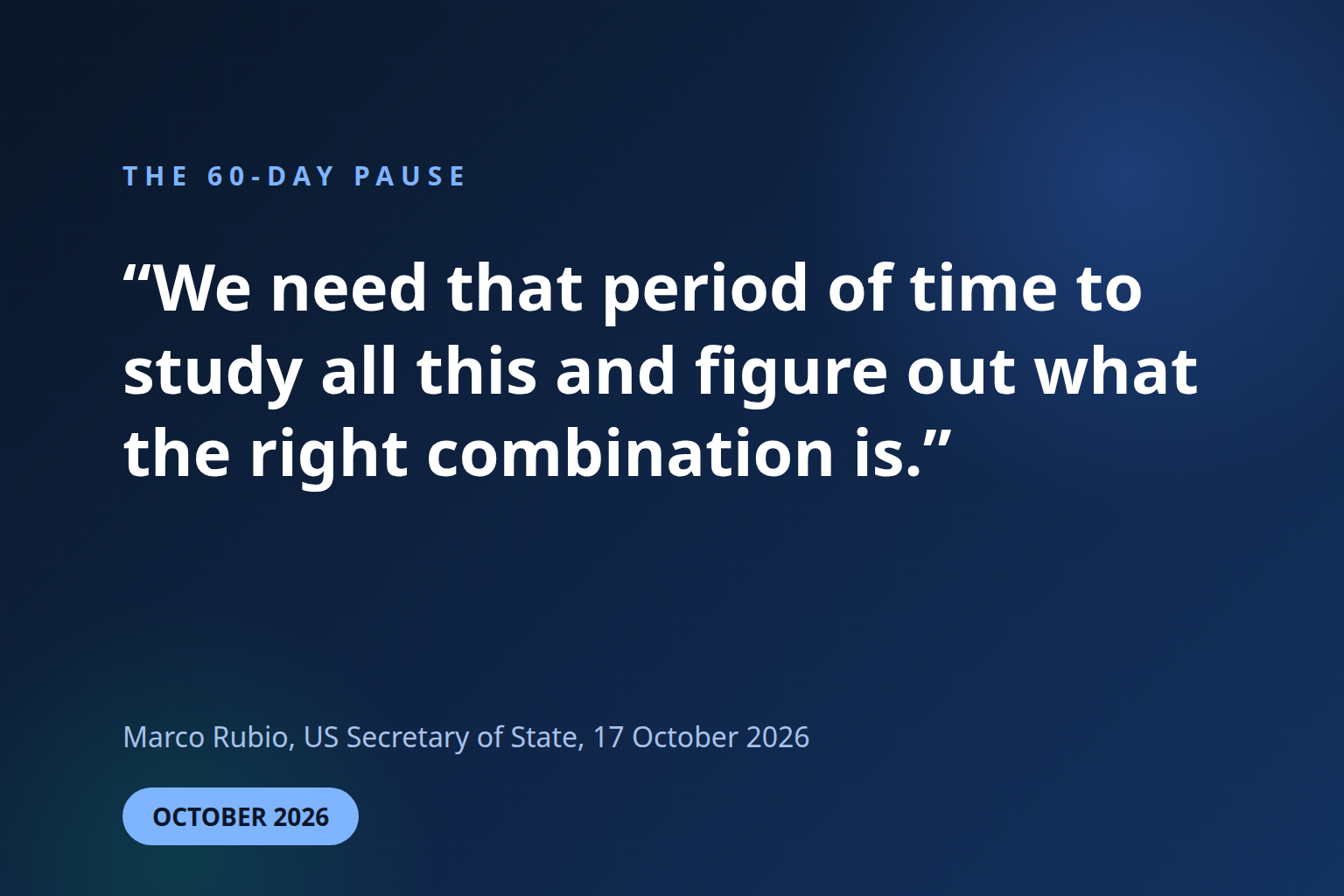
Trump’s order invokes section 115 of the act, which lets a president waive sanctions provisions subject to a written certification to Congress that the waiver is in the national interest, plus a report explaining the basis. The White House said both had been submitted. The order waives sections 102(a), 102(e), 103 to 111, 117, 112 and 113 — the bulk of the package — leaving sanctions under an earlier national-emergency order untouched.
Congress reacts — and can do little
“Beyond irresponsible,” Republican Senator Thom Tillis wrote on social media, asking: “What part of enforcing a law passed 86-11 by the Senate does the President and his advisors not understand?” Senator Richard Blumenthal said the waivers “have nothing to do with our national security”. Republican Rick Scott said Russia “is the aggressor” and that lifting pressure “is not the first thing I would be doing”; John Cornyn said, “Lindsey would be appalled.”
Senate Democratic leader Chuck Schumer said “by giving the Russian economy life support, Trump’s deal with the devil keeps getting dirtier”. Representative Gregory Meeks introduced legislation on Friday to block the diesel deal, saying “Congress is not helpless”.
Ukraine’s exposure
President Volodymyr Zelensky said the waiver “rewards” Putin and that he fears further sanctions will be lifted. “Unfortunately, the lifting of sanctions will continue, and I believe that the ‘diesel deal’ is the first step,” he said. Ukraine’s lead negotiator, Rustem Umerov, met US envoy Jared Kushner on Friday, Zelensky added, and Washington was trying to arrange a three-way meeting with him, Trump and Putin.
The law carries Lindsey Graham’s name; the South Carolina senator died in July. His sister, Darline Graham, appointed to the seat and now fighting to keep it against Democrat Annie Andrews, helped steer the bill through the Senate. “Personally, I would choose to keep the pressure on Russia, because I don’t trust Putin and I don’t trust Russia,” she said.
The practical effect is a reprieve for Moscow, arriving as Russia’s air defences said they destroyed 195 Ukrainian drones heading for the capital on Saturday, forcing two Moscow airports to suspend flights. Trump’s own account of the decision was opaque: at a fundraising dinner he told reporters, “We’ll figure it out, and you’ll figure it out. But it’s a very good decision.”
What to watch
- Whether the 60-day review ends in reimposed tariffs, a narrower package, or a further extension.
- What the written certification and report to Congress actually say — they are the waiver’s legal foundation.
- Whether Darline Graham’s South Carolina race, and Trump’s planned rally there, becomes a referendum on the waiver.
- Diesel and oil prices into the 3 November midterms, and whether the promised Russian volumes arrive.
Sources: Associated Press, The Guardian, The Straits Times, The White House