
 By asahifile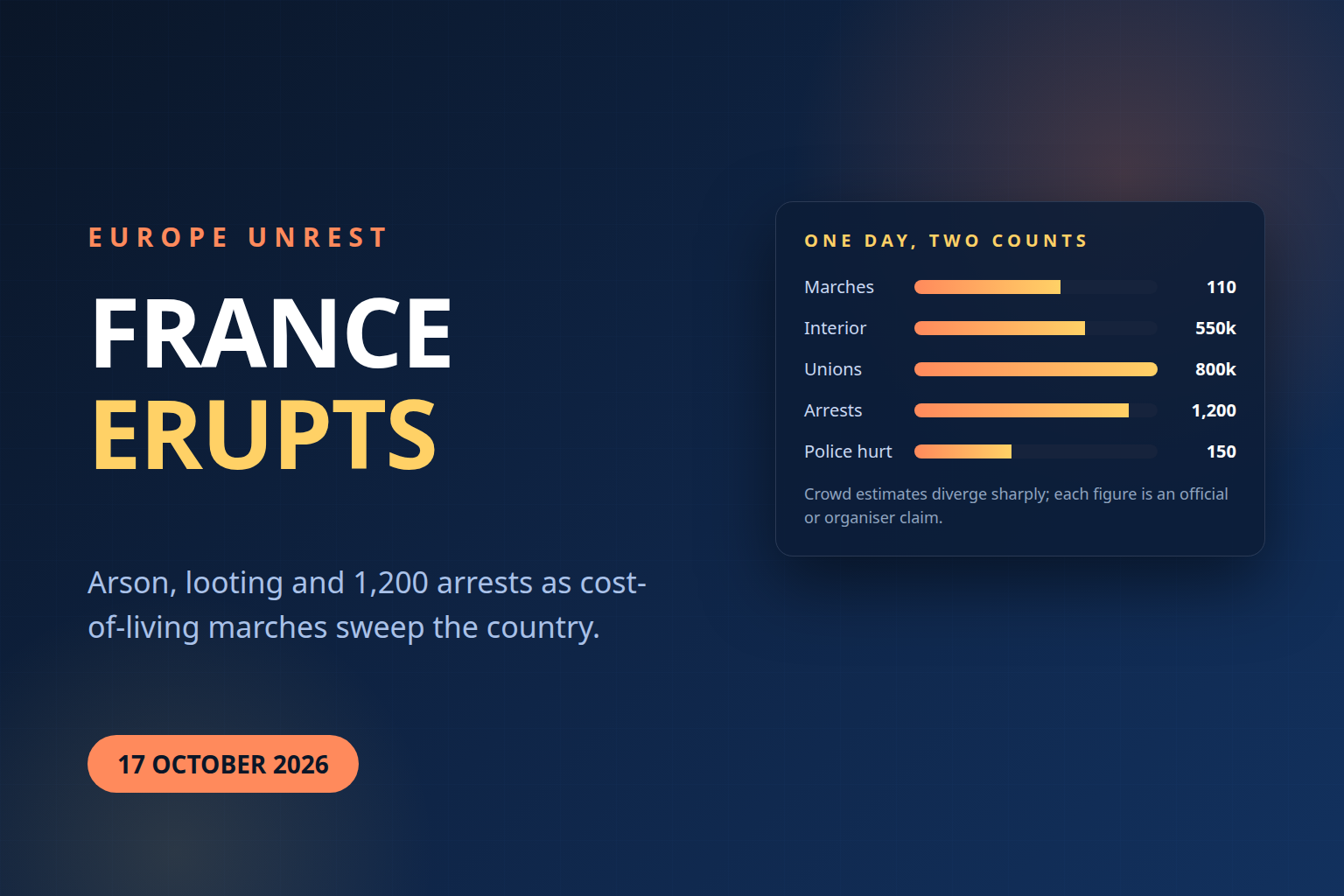
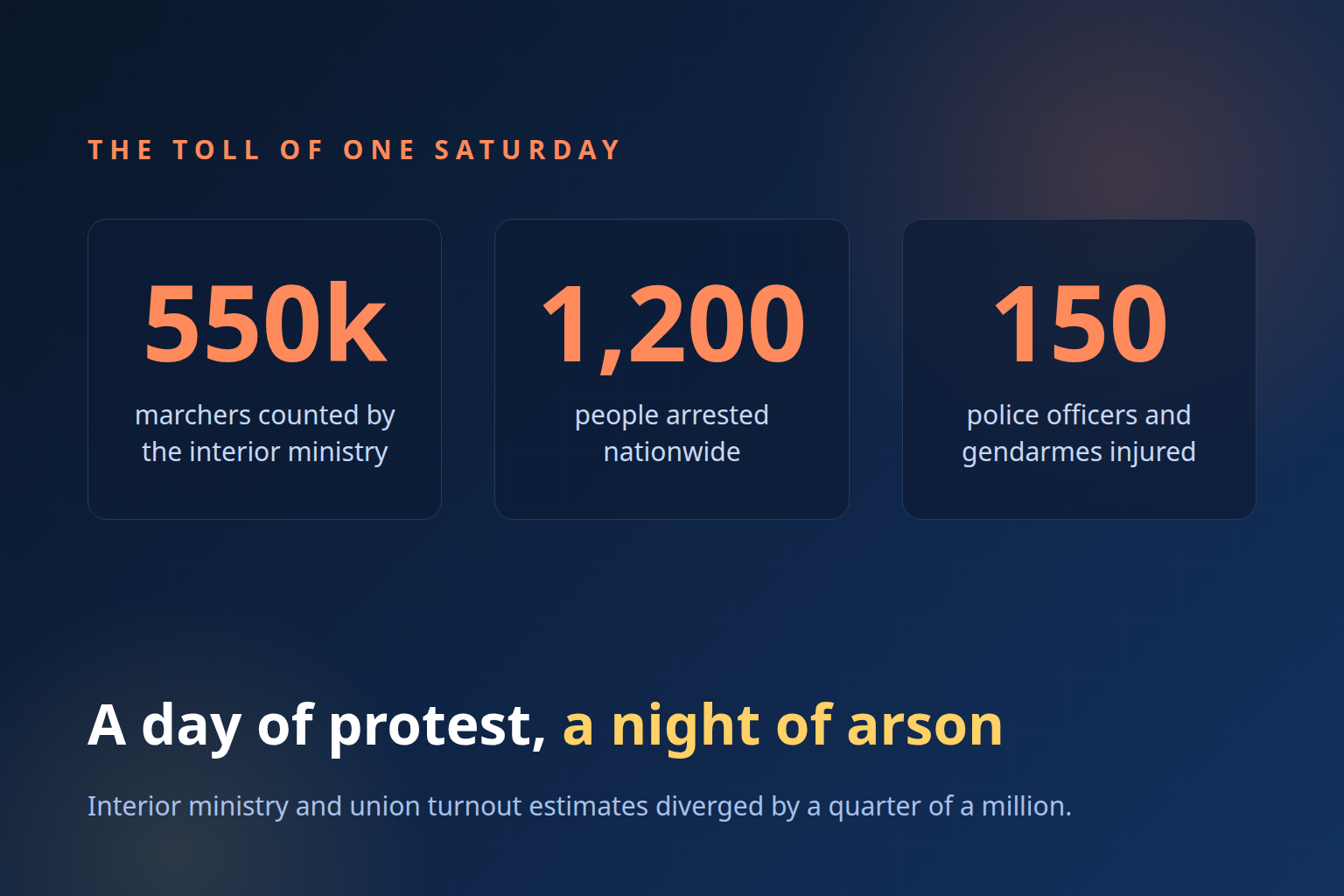
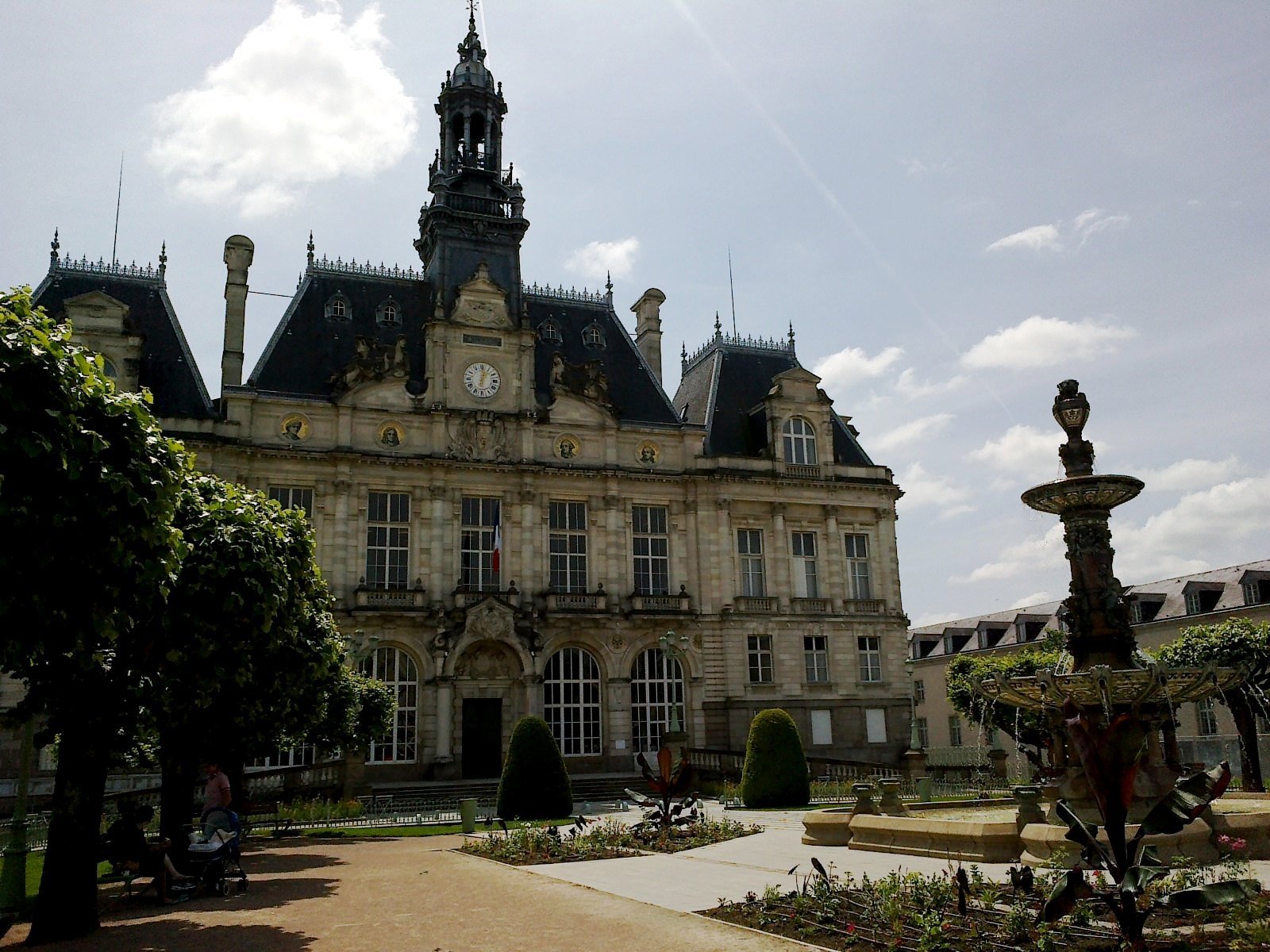
A day of nationwide marches against the cost of living and the state of France’s schools ended on Saturday night with burning cars, looted boutiques and the gutted shell of a 140-year-old town hall, after the government put turnout at about 550,000 people across 110 marches and announced that 1,200 had been arrested.
The scale of the disorder — arson, break-ins at city halls and looting in at least nine cities — jolted a country that has grown used to protest. “It’s a miracle the toll wasn’t higher,” Prime Minister Sébastien Lecornu said as he visited officers in central Paris, where 150 police and gendarmes were reported injured.
How the day turned
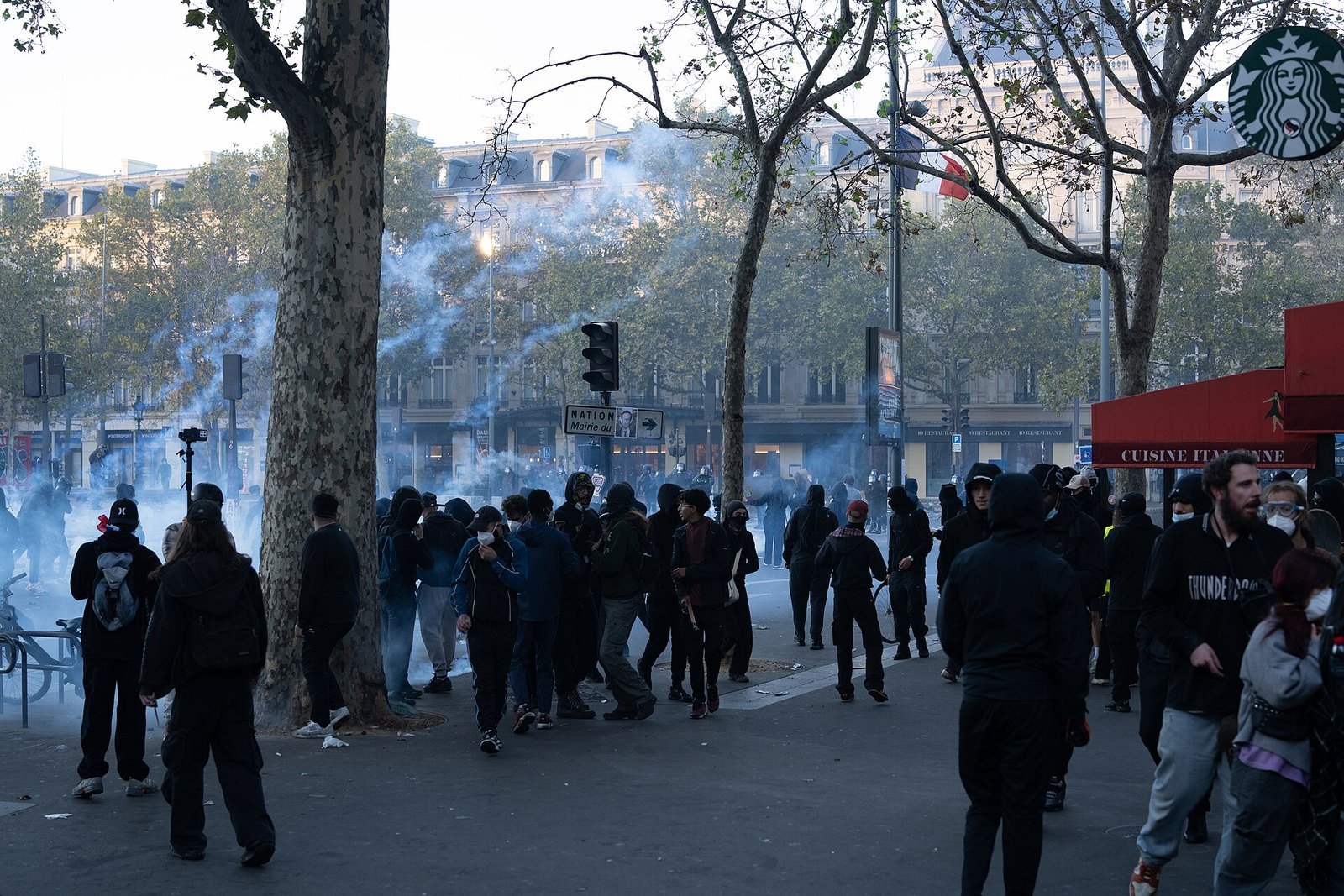
Saturday’s marches followed weeks of student protests over staff shortages and dilapidated lycées, the secondary schools attended by 15- to 18-year-olds. Trade unionists, the revived “yellow vest” movement and other groups swelled their numbers. The main afternoon march in Paris was largely peaceful; by evening, hooded and masked groups were throwing fireworks and paving stones at officers around Place de la République, and police answered with tear gas and water cannon. Associated Press reporters saw cars, bicycles and bins ablaze and a newspaper kiosk on fire. Several metro stations, including those near the Champs-Élysées and the presidential palace, were closed at police request.
 Wikimedia Commons
Two very different crowd counts
Even the size of the protest is disputed. The interior ministry counted about 550,000 people in 110 marches; organisers including the CGT union and student organisations said about 800,000 took to the streets. Interior Minister Laurent Nuñez, in earlier comments reported by the AP, put arrests at about 400 nationwide — a figure the prime minister’s tally of 1,200 overtook as the night wore on. Where official figures shifted during the day, it is the later, higher numbers the government now cites.
Political fallout with an election in view
Nuñez blamed “extremely violent, radical far-left groups” who, he said, sought confrontations with police and targeted public buildings, joined by offenders willing to loot. He said most of those arrested were adults. In Saint-Étienne a young man lost a hand and authorities opened an investigation; Nuñez had earlier suspended the use of one type of police stun grenade against high-school demonstrators after a 15-year-old lost a hand, a suspension that did not cover Saturday’s protests.
President Emmanuel Macron said those who “attacked the prefectures as well as businesses, looted even our town halls, will be prosecuted and punished”. The far-left presidential candidate Jean-Luc Mélenchon, who joined the Paris march, accused officers of “unleashing” on protesters while condemning the looting; Lecornu called his remarks “dangerous and cynical”. Marine Le Pen said protesters’ “legitimate demands” had been “held hostage by the far left”.
The unrest lands in a period of deep political uncertainty: Macron leaves office next year and polls suggest April’s presidential election could come down to Le Pen against Mélenchon. Similar cost-of-living protests were held in Belgium, Italy and Portugal. Alberto Alemanno of HEC Paris told Al Jazeera that “France is the epicentre of this movement” and that it is spreading, with early mobilisations expected in Greece, Germany and Austria.
What to watch
- Whether the CGT and student organisations can keep the movement peaceful, or whether a fresh national day of action is called for the coming week.
- Whether the government revisits police riot-control weapons, after two serious hand injuries and a suspended grenade type.
- How the Limoges fire and the looting reshape a presidential campaign in which Le Pen and Mélenchon are already trading blame.
- Whether the European spillover — Lisbon, Brussels, Milan, Bologna — grows into a coordinated autumn of protest.
Sources: BBC News, AP via CP24, Al Jazeera