
 By asahifile
 The numbers were brutal even by this year’s volatile standards. On Thursday, Nvidia lost 1.84%, AMD sank 1.5% and Intel dropped about 2.8%, while Dell Technologies plunged 6.8% and Nvidia-backed neocloud CoreWeave fell another 7% — a day after sliding 15.5%. Across the week, the 20 most valuable global AI and semiconductor stocks shed more than $1 trillion in market value.
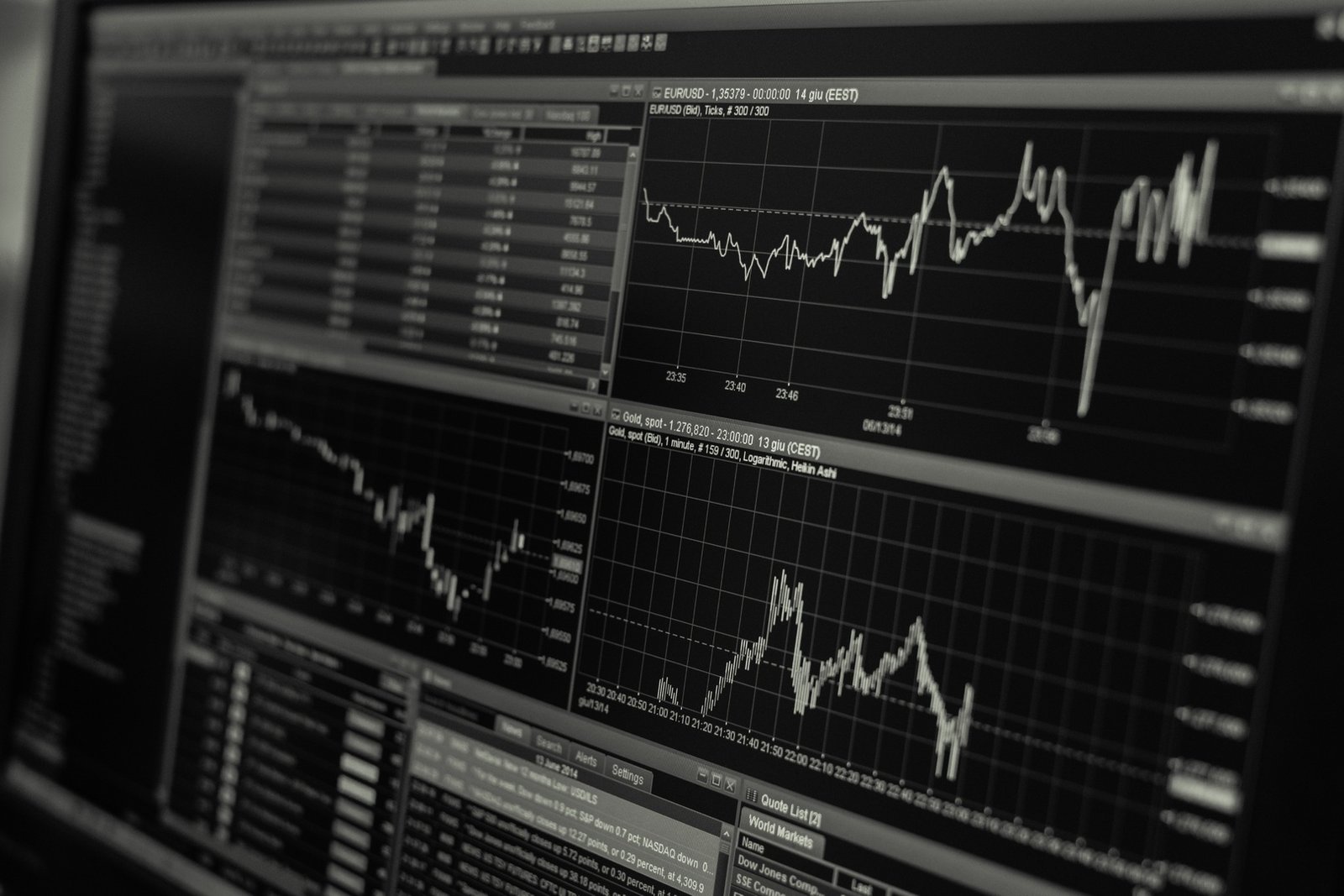
This was not a random dip. It was a coordinated repricing of the entire AI trade, and the trigger was not demand — it was the cost of money behind it.
Why borrowing costs, not demand, moved the market
Building AI infrastructure requires enormous upfront capital spending: land, power, GPUs, and the data centers that house them. Much of that buildout is financed with debt. When financing is cheap, aggressive capex looks visionary. When financing gets expensive, the same spending looks like a balance-sheet risk.
That shift is exactly what investors began pricing in. U.S. Treasury yields climbed above 5%, and a hot September wholesale inflation reading — the highest in more than four years — reinforced expectations that borrowing costs will stay elevated. For companies carrying tens of billions of dollars in debt, the math changes fast.
The credit market delivered the clearest warning: CoreWeave’s five-year credit-default swap spread briefly exceeded 1,140 basis points, a level that signals serious stress about a borrower’s ability to service its debt. A research note from Gartner added fuel, forecasting that over 80% of neocloud providers will cease operations by 2030 due to costs and the lack of a unique business model.
The China wildcard: memory chips
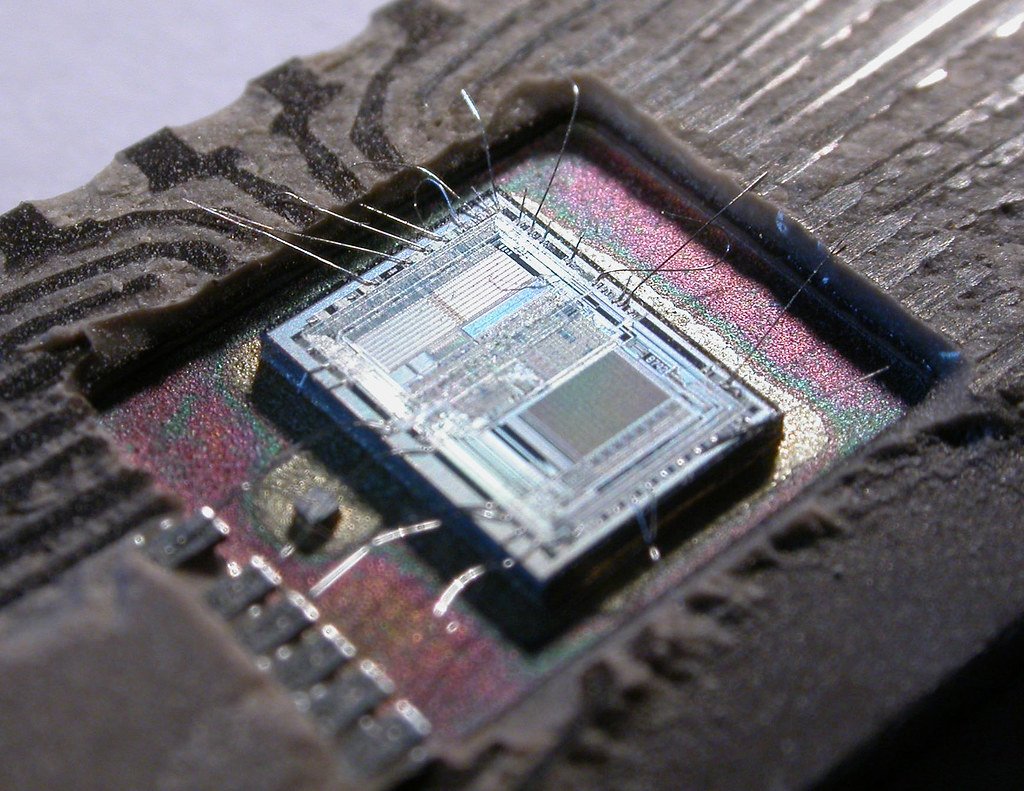
Competition added a second front. Chinese semiconductor maker CXMT announced progress on advanced memory chips, raising doubts about the long-term profitability of established memory makers in the U.S. and South Korea. Analysts are also watching for potential memory oversupply as early as 2029 as manufacturers race to add capacity for AI demand.
For a sector whose valuations assume years of pricing power, the prospect of a low-cost challenger at scale is more than a headline risk. Broadcom’s CEO Hock Tan had already warned that financing could become a bigger headwind to AI expansion than shortages of chips or electricity.
The bull case is not dead — but it has changed shape
The counterargument came from the top. Nvidia CEO Jensen Huang, speaking at an event in Stockholm, said he saw no need for Nvidia to backstop CoreWeave, adding that neoclouds’ “cost of capital is actually decreasing.” His message: this is a financing narrative, not a demand collapse.
Analyst Dan Ives of Yorkville Ives made the same point more bluntly: “Higher yields raise the cost of financing these builds, and investors are right to focus on balance sheets and contract structure, but rates are a financing question, not a demand question.” He called the pullback a buying opportunity, arguing the AI infrastructure boom remains in its early stages.
What to watch next
- Upcoming earnings and guidance from hyperscalers and chipmakers — the fastest way to test whether AI demand is still outrunning financing costs.
- Treasury yields and the Fed’s path — every hot inflation print directly raises the cost of the AI buildout.
- Neocloud credit health — CDS spreads and refinancing news from CoreWeave and peers will signal whether this week’s fear was an overreaction or an early warning.
The takeaway: the AI story has not broken, but the market has stopped giving it a blank check. From here on, balance sheets matter as much as benchmarks — and that is a healthier market than the one we had last month.
Sources: CNBC, CNN Business. Figures as reported October 15–16, 2026. Images: CC0 / CC BY-SA with attribution in captions.