By asahifile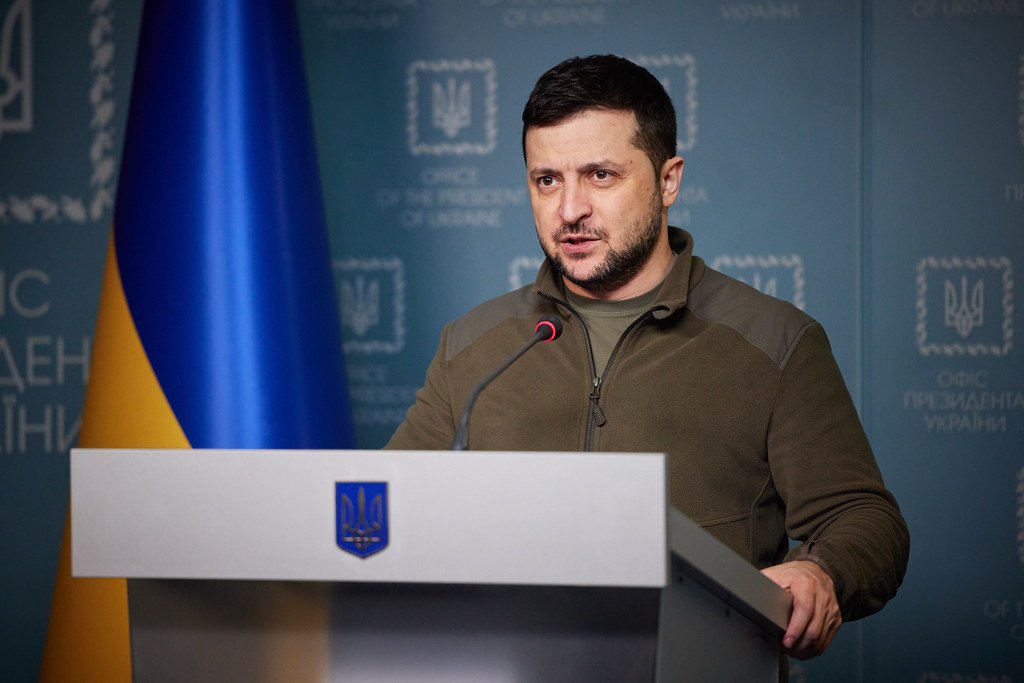
Ukraine has resumed long-range strikes on Russian oil refineries, abandoning the pause on energy attacks that US President Donald Trump announced a week ago — with President Volodymyr Zelensky bluntly declaring “the block is out, we’re done” in an interview with the Financial Times. Within hours a fire broke out at the Rosneft-run Ryazan refinery southeast of Moscow, a plant that handles nearly five percent of Russia’s refining throughput. Trump branded the renewed strikes “a disgrace,” while Zelensky arrived in Brussels on Friday to shore up European backing at an EU summit.
A ceasefire that never held
Trump announced on Sunday that Russia and Ukraine had agreed to stop attacking each other’s energy infrastructure, and Kyiv — which Trump blames for world diesel prices — suspended its refinery campaign for about three days. In practice the truce collapsed almost immediately: Russia kept up missile and drone strikes on Ukrainian power stations, cutting electricity to hundreds of thousands of people. Meeting President Emmanuel Macron in Brussels, Zelensky accused the Kremlin of launching “yet another vile drone strike” on the western city of Lutsk and said Russia had “demonstratively disregarded the American president’s proposal for an energy ceasefire.” The Kremlin, for its part, conceded that the scope of the energy ceasefire had never actually been defined.
Ryazan burns, and the blame flies
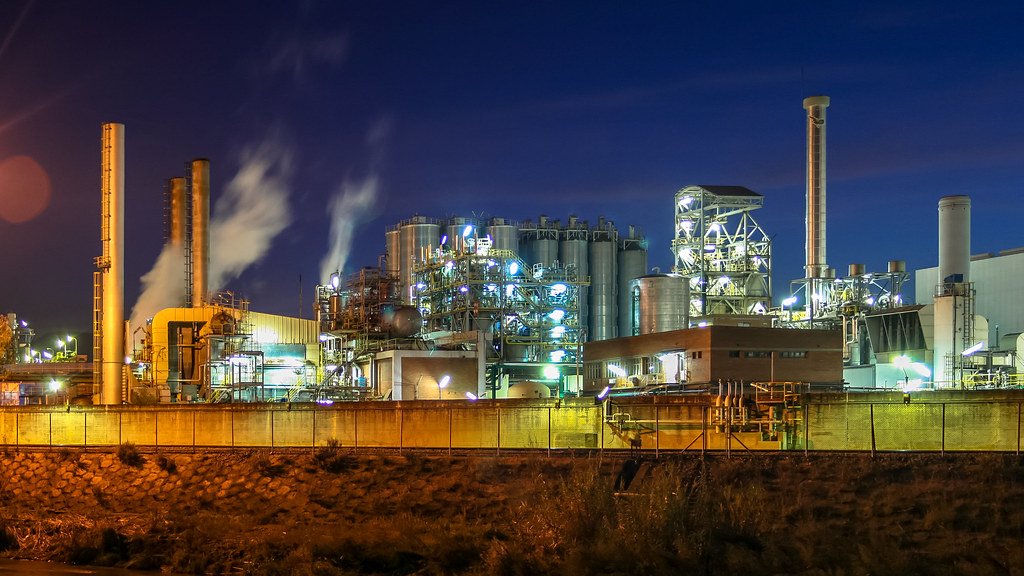
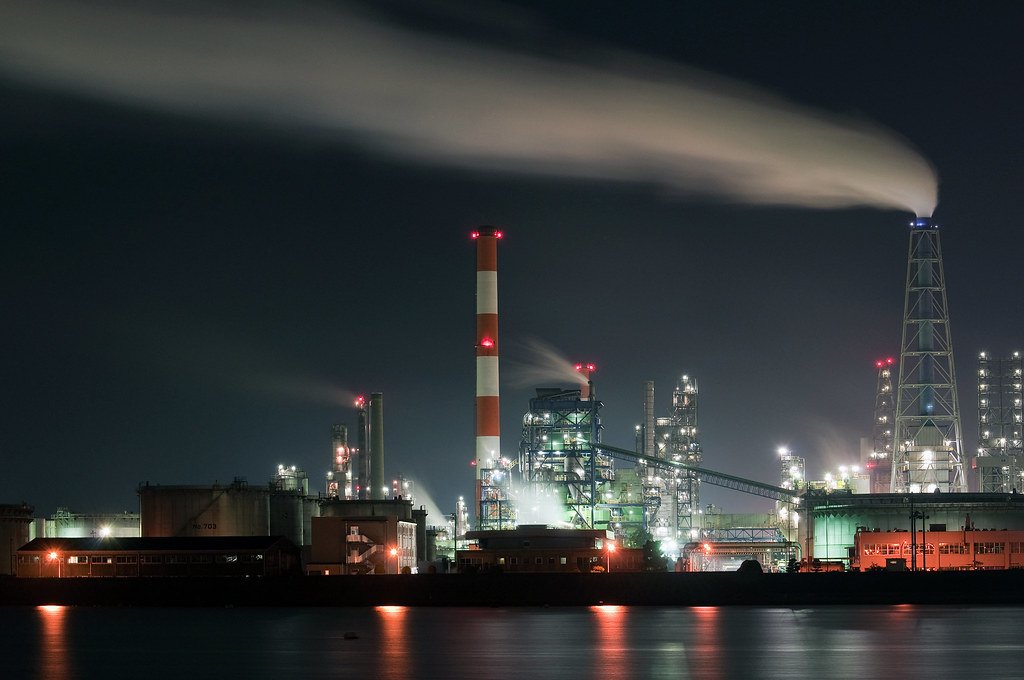
After Zelensky’s FT interview on Thursday, Ukrainian drones struck the Rosneft refinery in the Ryazan region, which helps supply the capital. Regional governor Pavel Malkov said a major attack had started a fire; Russia’s Defense Ministry described an attempted “massive attack” on the plant. The strike extends a months-long campaign that has caused fuel shortages across Russia, though President Vladimir Putin publicly played down the damage as “nothing particularly significant.” Trump, speaking to Newsmax, said: “All he’s doing is making the world oil price higher. Well, I think that’s a disgrace.” Kremlin spokesman Dmitry Peskov said Kyiv was “coming into serious conflict with the peace efforts of the United States.”
Washington turns up the pressure
The clash lands in an already fraught context. According to NBC News, Trump recently eased sanctions on Russia’s diesel exports in an apparent bid to bring pump prices down before November’s midterms, and has demanded that Ukraine halt its refinery campaign — at one point suggesting Zelensky should be replaced. On Friday he told reporters the Ukrainian leader was “more difficult to deal with” than Putin. Defence officials have confirmed that Washington threatened to withdraw intelligence-sharing if Kyiv kept up long-range strikes. Ukraine has also weathered disruption to Starshield, the military version of SpaceX’s Starlink; the country’s chargé d’affaires in Washington, Denys Sienik, said service had returned to previous speeds, while Zelensky accused Russia of taking advantage of problems with Starlink operations to maximize damage from its attacks.
Europe steps into the space Washington leaves
Zelensky’s Brussels schedule — meetings with NATO Secretary-General Mark Rutte, Macron and British Prime Minister Andy Burnham, then Friday’s EU summit — amounts to a deliberate pivot. With the White House demanding unilateral restraint from Kyiv while easing pressure on Moscow’s energy exports, Ukraine is betting that Europe will keep funding air defenses and aid regardless of American anger. European Commission President Ursula von der Leyen, walking in with Zelensky, set the tone: Russia, she said, “did not honor” the energy ceasefire “not for a moment,” and sanctions must be tightened in response. The gamble is not without risk: an open transatlantic split could leave Ukraine squeezed between a Washington that wants a quick, price-friendly deal and European capitals unwilling to impose one. But Kyiv’s core argument is straightforward — the energy ceasefire bound only one side, and refining capacity has become the one lever that reliably hurts Russia’s war economy. The next few days will show whether European leaders are willing to say the same out loud.
What to watch
- Friday’s EU summit — concrete pledges on air defenses and winter funding, or rhetoric.
- Whether the US follows through on curbing intelligence-sharing with Kyiv.
- The tempo of Ukrainian strikes on refineries and of Russian attacks on Ukraine’s grid.
- US diesel prices — the political metric driving Trump’s intervention.
- Any signal that US-brokered talks resume despite the breach.
Sources: Reuters, NBC News, France 24 (AFP), BBC News