
 By asahifile
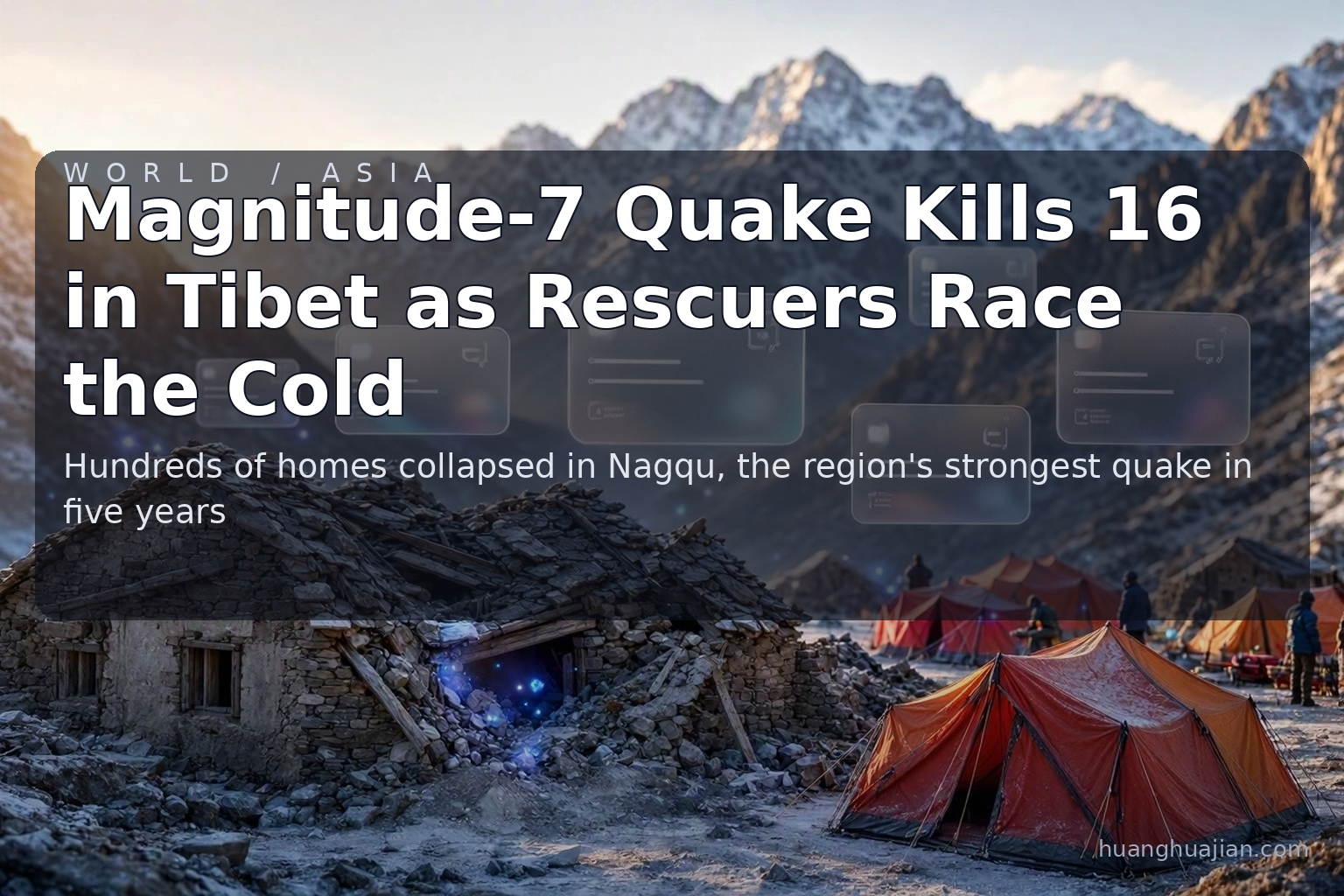
A magnitude-7 earthquake struck northern Tibet late on Thursday, killing at least 16 people, injuring 32 and collapsing at least 339 homes, according to the Nagqu city media office and China’s state news agency Xinhua. The US Geological Survey put the quake at 10:33 p.m. local time (14:33 GMT), with its epicentre about 191 kilometres (119 miles) east-northeast of the city of Nagqu, in a sparsely populated, high-altitude area of the plateau. Eleven of the injured were in serious condition; the other 21 suffered minor injuries.
A shallow quake in thin mountain air
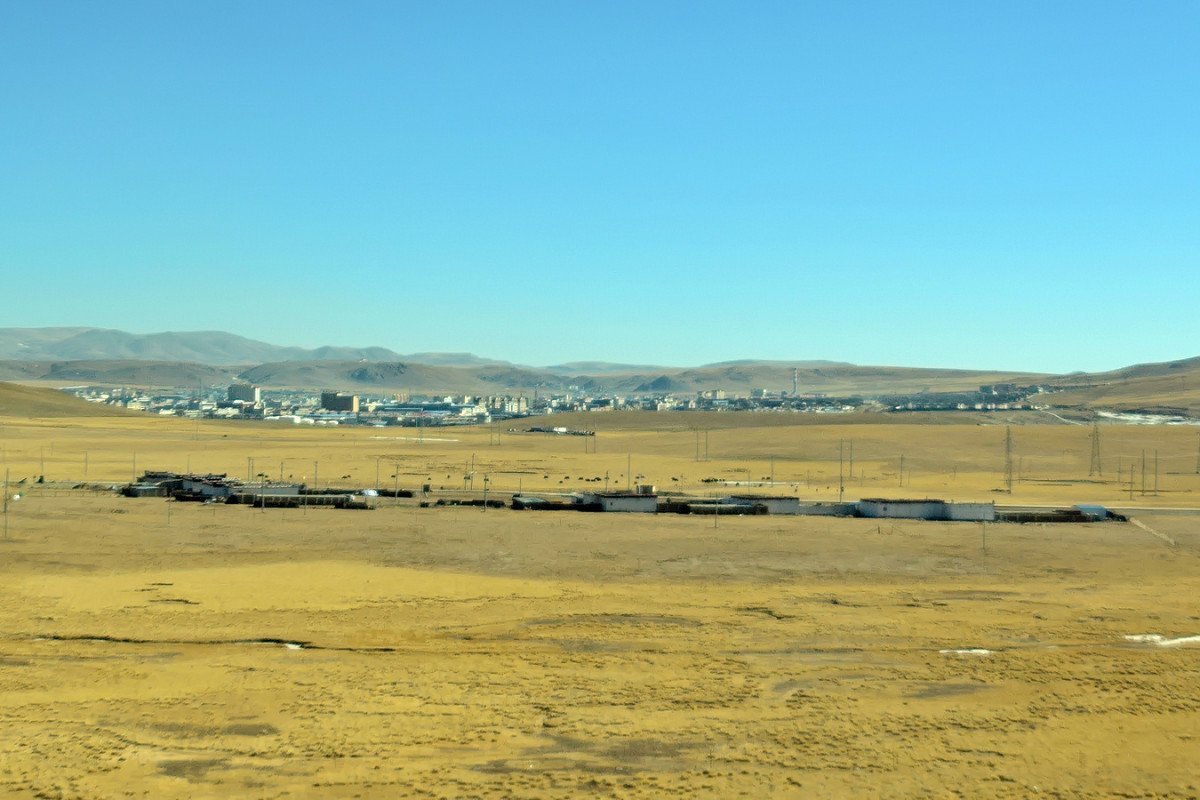
The two official measurements of depth differ — 18 kilometres (11 miles) from the USGS, 10 kilometres (6.2 miles) from China’s Earthquake Networks Centre — but either way this was a shallow rupture, the kind that transmits shaking to the surface far more efficiently than a deep one. Le Monde reported the epicentre sat in Maru township, in Baqen county. CCTV called it the strongest earthquake in the region in five years; Australia’s ABC described it as the most powerful to hit China since January 2024. Aftershocks of magnitude 3 to 4 followed through the night. Nagqu itself lies more than 300 kilometres (186 miles) north of Tibet’s capital, Lhasa.
 Baycrest”/>
A level-II response, and tents in the cold
China activated a level-II emergency response, the second-highest tier in its disaster system. Police and fire rescue teams were dispatched toward the epicentre and were building tents to shelter people whose homes were destroyed, while the China Earthquake Administration and local officials said the extent of the damage was still being assessed. Railway authorities suspended train services through the affected area. As is usual in this region, early casualty and damage figures come from state media and are often revised as teams reach outlying villages — independent access to the area is limited.
Villages close to the epicentre reported cracked walls and scattered debris, and broadcasters said smaller shocks of magnitude 3 to 4 continued to rattle the surrounding area through the early hours. The practical problem in the first days is shelter. Tents and heating matter as much as rescue teams when the ground shakes at night on the plateau, because the injuries that follow a quake — exposure, crush damage, untreated wounds — get worse the longer people wait for warmth and transport. Reinforcements and relief supplies move slowly across high passes, and the area’s low population density cuts both ways: fewer people are in harm’s way, but the people who are can be very hard to reach.
Analysis: why remote quakes still kill
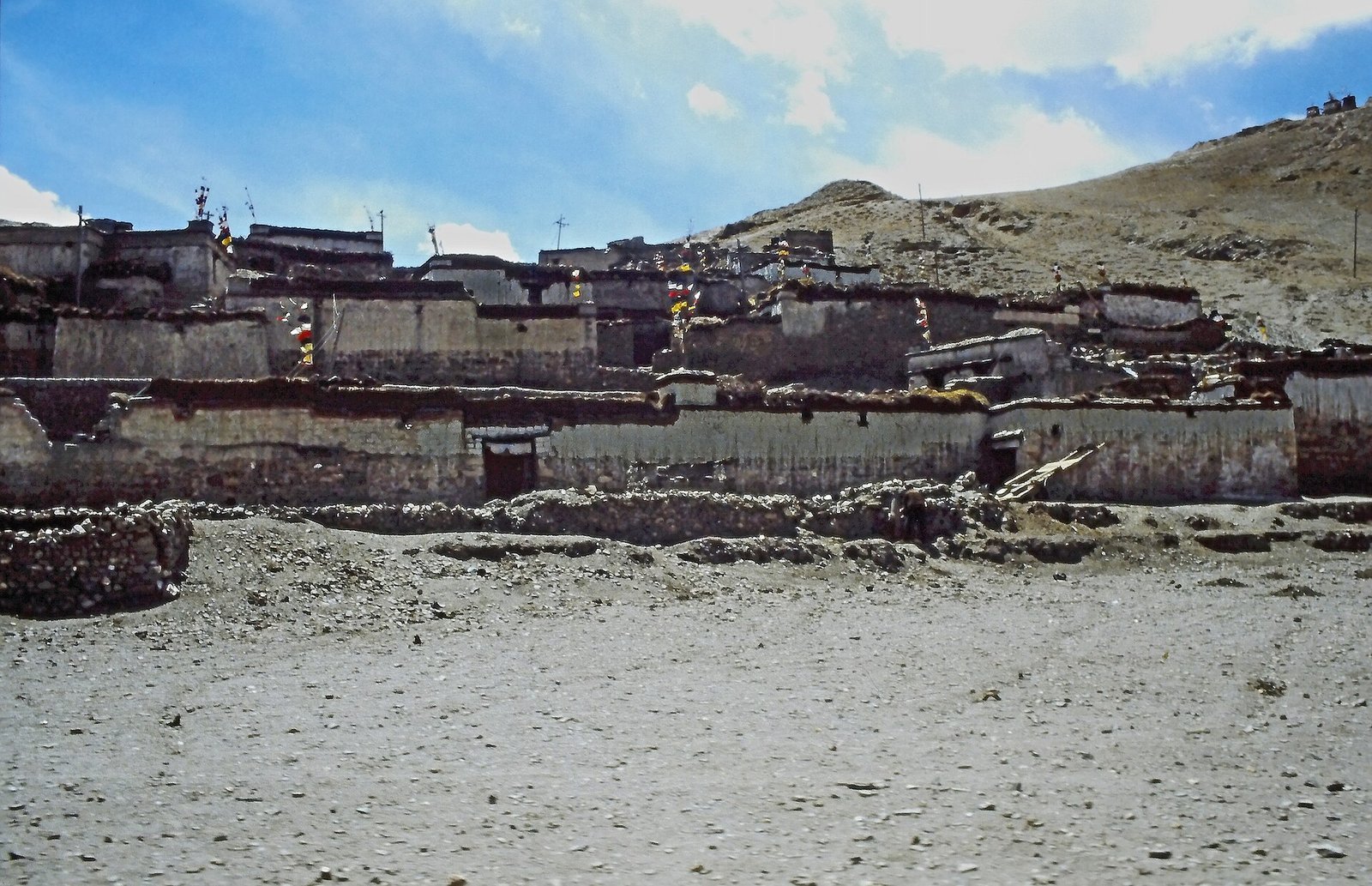
Sparsely populated terrain limits the death toll, but the same remoteness that keeps the numbers down also slows everything that saves lives. Distances are long, altitude makes heavy work slow and dangerous for rescuers, and the building stock in many Tibetan villages is traditional stone-and-timber housing that performs badly when the ground moves: steep roofs, heavy walls, little reinforcement. Night-time temperatures on the plateau make shelter the urgent need after the shaking stops, which is why tents and heating tend to matter as much as rescue teams in the first 72 hours. The broader lesson, visible after earthquakes in Turkey and Morocco as well as here, is that retrofitting ordinary rural homes is the intervention that saves the most lives — and it is slow, incremental and politically invisible next to headline-grabbing rescues.
There is also a data problem. Officials said the extent of the damage was still being assessed, and figures from earlier Tibetan earthquakes were revised upward over the following days as teams reached outlying settlements. That is not a reason to distrust the first reports so much as a reason to expect them to change: watch the trend, not any single number, and treat the first 48 hours of figures as provisional.
What to watch
- Revised casualty and damage figures as teams reach villages around Maru township in Baqen county.
- Whether relief supplies and heating reach displaced residents before night-time temperatures fall further.
- Whether railway and road links across the plateau reopen, and how quickly.
- Whether authorities publish details on construction standards for rebuilt rural housing.
Sources: AP via ABC30, CNN, Al Jazeera, Le Monde.