
 By asahifile
Australia’s privacy law has an employee-records exemption, and a small-business exemption, and between them they have left the workplace as one of the least protected places in the country to be watched. This week a University of Technology Sydney report put numbers and cases next to that gap, as the parliamentary committee inquiring into artificial intelligence entered its third week of hearings on AI in the workplace.
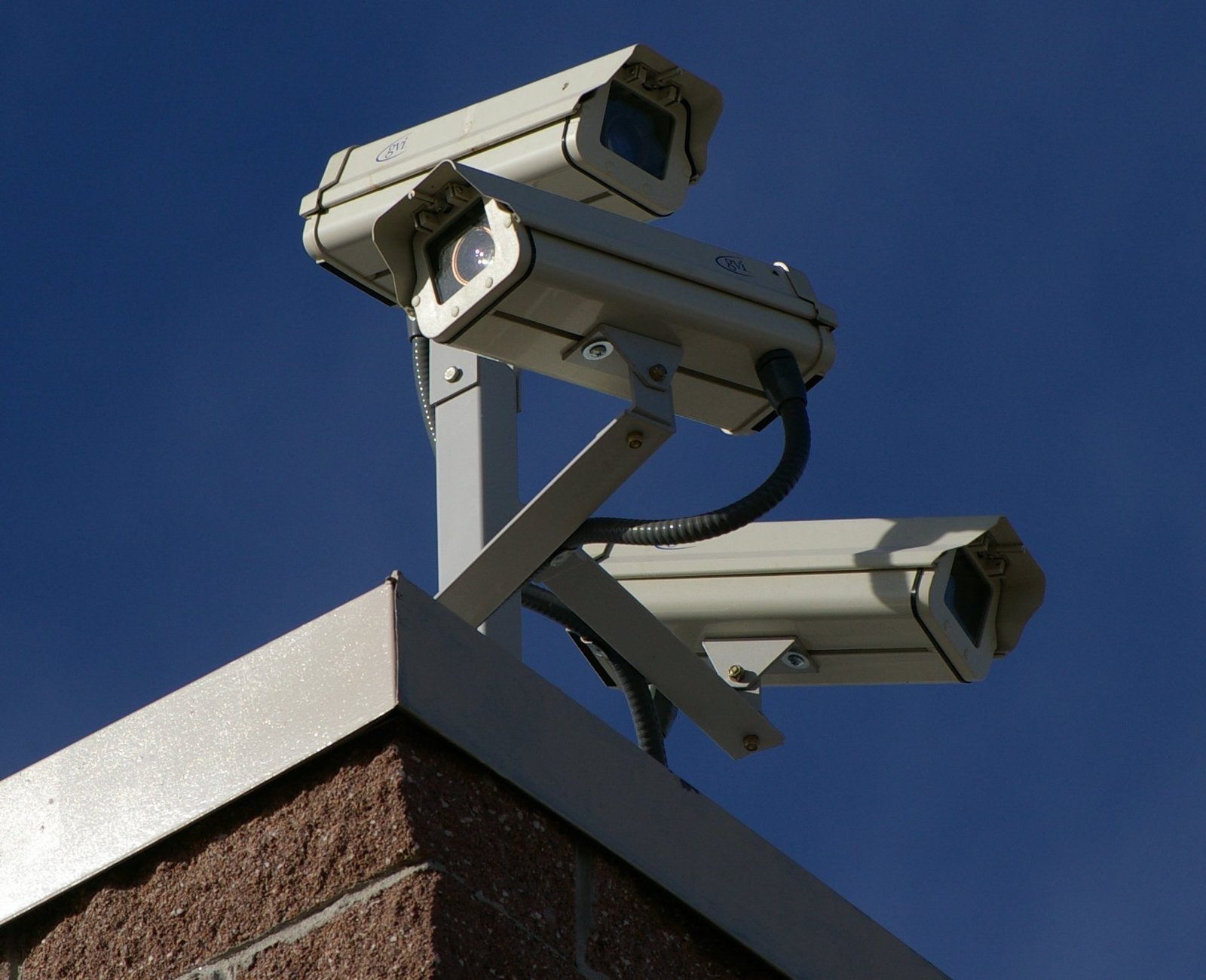
The Human Technology Institute’s findings, presented to the joint standing committee, describe monitoring that is now routine across factories, offices, delivery work and retail: CCTV, card swipes, keystroke logging, and tracking of workplace messaging. Often employees do not know it is happening.
The cases that make the argument concrete
Two examples carry most of the weight. At one unnamed large fast-food chain, researchers were told young workers believed their employer had installed cameras in change rooms to check that staff were not on their phones at work — and that young people stopped using the change rooms as a result. Separately, the Shop, Distributive and Allied Employees Association told the inquiry that a supermarket cashier received a final written warning after an AI monitoring system flagged too many errors. Her error rate was 0.18 per cent: roughly one mistake per 533 items scanned.
The report also singles out Microsoft Teams as a common surveillance surface, noting a feature that automatically updates a worker’s location to show they are in the office when they connect to workplace wifi. A March 2026 poll commissioned by Minderoo found 43 per cent of Australians knew some employers use technology including AI to monitor workers, while only 9 per cent were aware of monitoring in their own workplace.

The structural problem: consent is doing work it cannot do
Australian employers are not lawless. New South Wales requires written notice at least 14 days before workplace surveillance, bans covert camera and computer surveillance unless a magistrate authorises it to investigate suspected unlawful activity, and imposes device-specific rules. The ACT requires two weeks’ notice plus consultation in good faith. Victoria regulates listening, optical, tracking and data devices under a different statute.
But the federal Privacy Act carves out employee records, and exempts small businesses, which means the data collected about workers sits largely outside the regime that governs personal information elsewhere. Professor Edward Santow, a co-director of the institute, argues transparency is “necessary but far from sufficient”: what is missing is a test of whether monitoring is fair and reasonable in the first place. The report wants that test written into the Fair Work Act, a ministerial power to proscribe surveillance products that pose an unacceptable risk to workers’ rights, and a complaints pathway to the Fair Work Commission.
The timing is pointed. From 10 December 2026, new automated decision-making transparency obligations begin under Australian Privacy Principle 1: if an AI system materially drives decisions about workers, employers must say so in their privacy policy. That deadline forces disclosure. It does not, on its own, decide whether the monitoring should exist.
Why “the worker agreed” is not an answer
Consent obtained at onboarding, inside an employment relationship with unequal bargaining power, is weak evidence that a system is proportionate. The pattern the institute describes — cameras in a change room, a written warning driven by a 0.18 per cent error rate — is not about a single intrusive tool. It is about monitoring moving from occasional to continuous, and from data capture to automated scoring that feeds discipline.
There is also a health-and-safety angle that Australian regulators have begun to take seriously: surveillance that workers experience as relentless or opaque can itself be a psychosocial hazard, which triggers a positive duty to identify and control the risk rather than wait for a complaint. The ACTU’s Joseph Mitchell has argued AI has “turbo-charged” workplace surveillance and that biased, automated performance decisions follow.
What to watch
- The committee’s recommendations, and whether the government adopts a “fair and reasonable” test in the Fair Work Act.
- The 10 December 2026 deadline for automated decision-making disclosure — the first date by which employers must describe what their systems do.
- Whether the minister is given power to ban specific surveillance products, which would put smart glasses and always-on wearables in scope.
- Union bargaining: AI workplace agreements on consultation, transparency and data use.
- State-level divergence — NSW and the ACT already set a higher bar than the federal regime, which creates compliance seams for national employers.
Sources: The Guardian; Guardian Australia (Privacy Act exemptions); OAIC guidance on APP 1; Fair Work Commission decision.