
 By asahifile
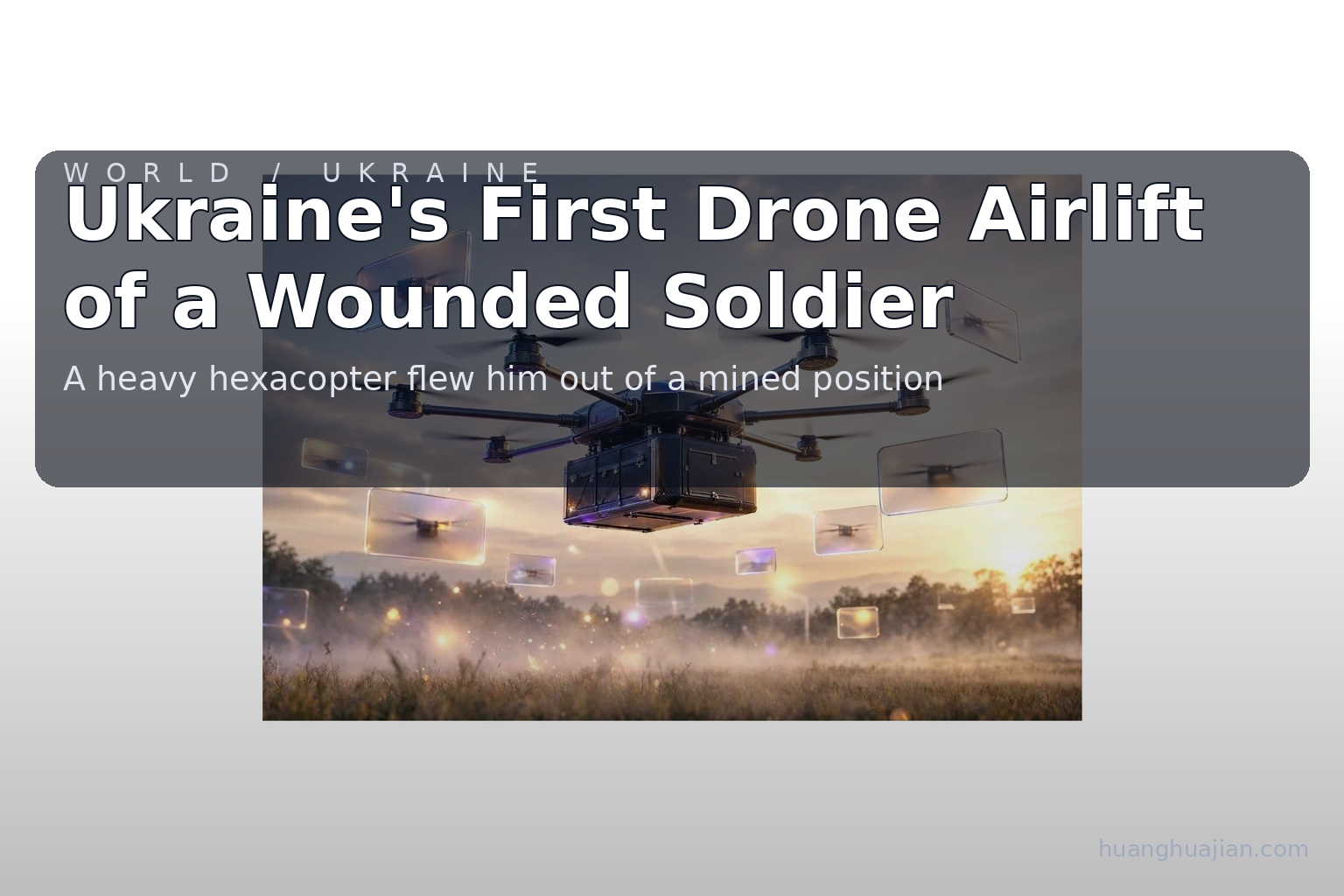
Ukraine’s military says it has evacuated a wounded soldier from the front line using an aerial drone — the first time a casualty has been lifted out of a combat position by air rather than by ground vehicle. The 92nd Separate Assault Brigade published video on Monday showing a heavy hexacopter lowering itself to the ground while a soldier in combat gear fastens himself to a winch beneath the airframe, then rises with it.
“The operation was successful – the wounded person was saved! He is now undergoing treatment and rehabilitation, and his life is no longer in danger,” the brigade’s drone unit said. The brigade described the mission as a world first.
How the flight worked
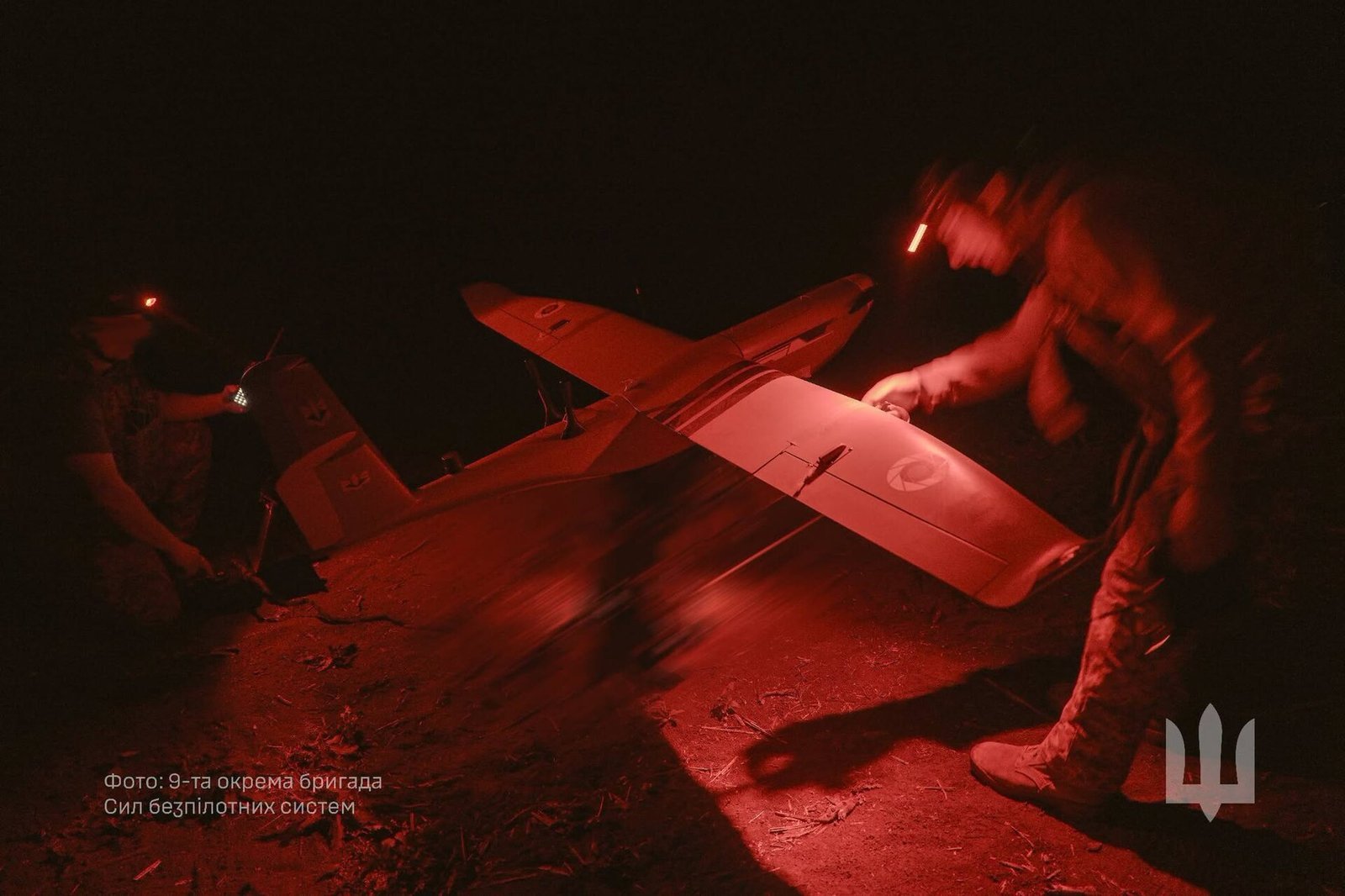
The aircraft was a Heavy Shot Ayudag-6 hexacopter built by the Ukrainian company Gurzuf Defence, with a payload capacity of up to 130 kilograms and a cargo winch fitted for the mission. According to the manufacturer, the drone flew for a little under an hour and a half and covered 62 kilometres. Ukraine has used unmanned ground vehicles to pull wounded soldiers off the battlefield for some time; this was the first reported case of an aerial drone doing the same job.
The preparation was as unusual as the flight. A day before take-off the drone dropped commercial climbing gear and a phone carrying a video instruction to the soldier, who had to rig himself to the winch unaided. The operator talked him through it over the drone’s onboard camera and microphone. At an intermediate position he was detached from the winch and transferred to a ground robotic complex that carried him eight kilometres over broken terrain, before a vehicle took him to a stabilisation point where surgeons treated him.
Why ground evacuation was not possible
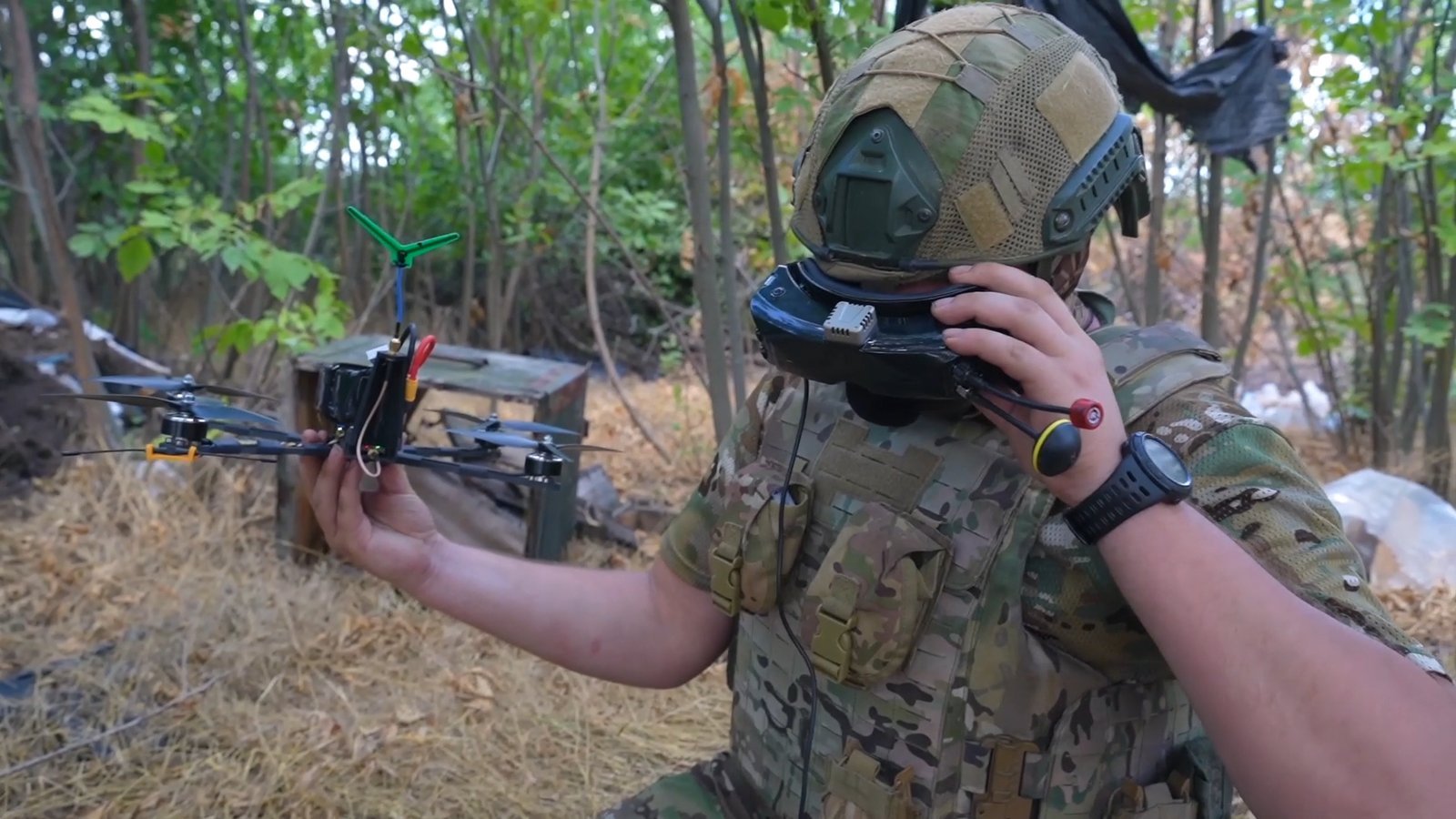
The Ground Forces said a conventional evacuation was ruled out by intense Russian drone activity and mined terrain. “Any attempt to reach him would have meant a deadly risk for the rescue team,” Gurzuf Defence said. That is the specific problem drones have created on this front: both sides now fly so many short-range systems that a slow ground vehicle or a stretcher team becomes a target the moment it moves.
Ukrainian reporting fills in the human detail, though some of it comes from a single outlet. BBC Ukrainian, citing the defence publication Oboronka, says the soldier — Kostiantyn Vlasenko, call sign “Magura”, of the 30th Separate Mechanised Brigade — took up a position on the Kupiansk axis on 2 June 2025, lost his comrade when moving between positions, and on 14 February 2026 was wounded in both legs by munitions dropped from a Russian drone. Unable to walk out, he amputated his own limbs and survived for months on supplies dropped by drone every four or five days, holding the position until the evacuation, which Oboronka dates to 4 October. The figures reported around the case vary: the brigade said he had spent 500 days at a remote position, Gurzuf said almost a year and a half.
What the mission does and does not prove
A one-off rescue is not a capability. The mission required a bespoke airframe modification, months of preparation, a specialised ground robot and a soldier able to attach himself to a winch while seriously wounded. The 92nd Brigade’s own squad leader framed it as the start of a programme rather than the end of one, saying serious systematic work now begins to make such missions repeatable.
Ukraine’s military did not say where or when the flight took place, and the footage has not been independently verified. Those caveats matter for anyone tempted to read the video as evidence that drone medevac is now routine.
What to watch
- Whether further drone evacuations are reported, or the October mission stays a one-off demonstration.
- Payload and range specifications for dedicated medevac airframes — 130 kg and 62 km is cargo-drone territory, not a purpose-built stretcher platform.
- Russian counter-drone adaptation, and whether the “kill zone” makes air evacuation as risky as ground evacuation.
- Whether other militaries fold heavy-lift casualty evacuation into doctrine, and how they handle a patient who must self-attach to a winch.
- Independent verification of the footage, including the date and location of the flight.
Sources: France 24; Stars and Stripes; Newsweek; BBC News Ukraine; BBC News video.