
 By asahifile
Waymo is heading to Canada. On October 16, 2026, Alphabet’s self-driving unit announced its vehicles will appear on Toronto streets in the coming days after receiving a provincial permit to take part in Ontario’s Automated Vehicle Pilot Program — with human drivers behind the wheel, for now. The company is targeting 2028 for its first fully autonomous, commercially available rides in the city.
The plan follows the playbook Waymo has used everywhere else: drive manually and record the city’s street networks in exact detail, then test autonomously with trained autonomous specialists on board, then pull the operators out of the driver’s seat and open rides to the public. “Expanding into Canada marks an important milestone in Waymo’s global journey,” the company said, describing a phased, safety-first approach.
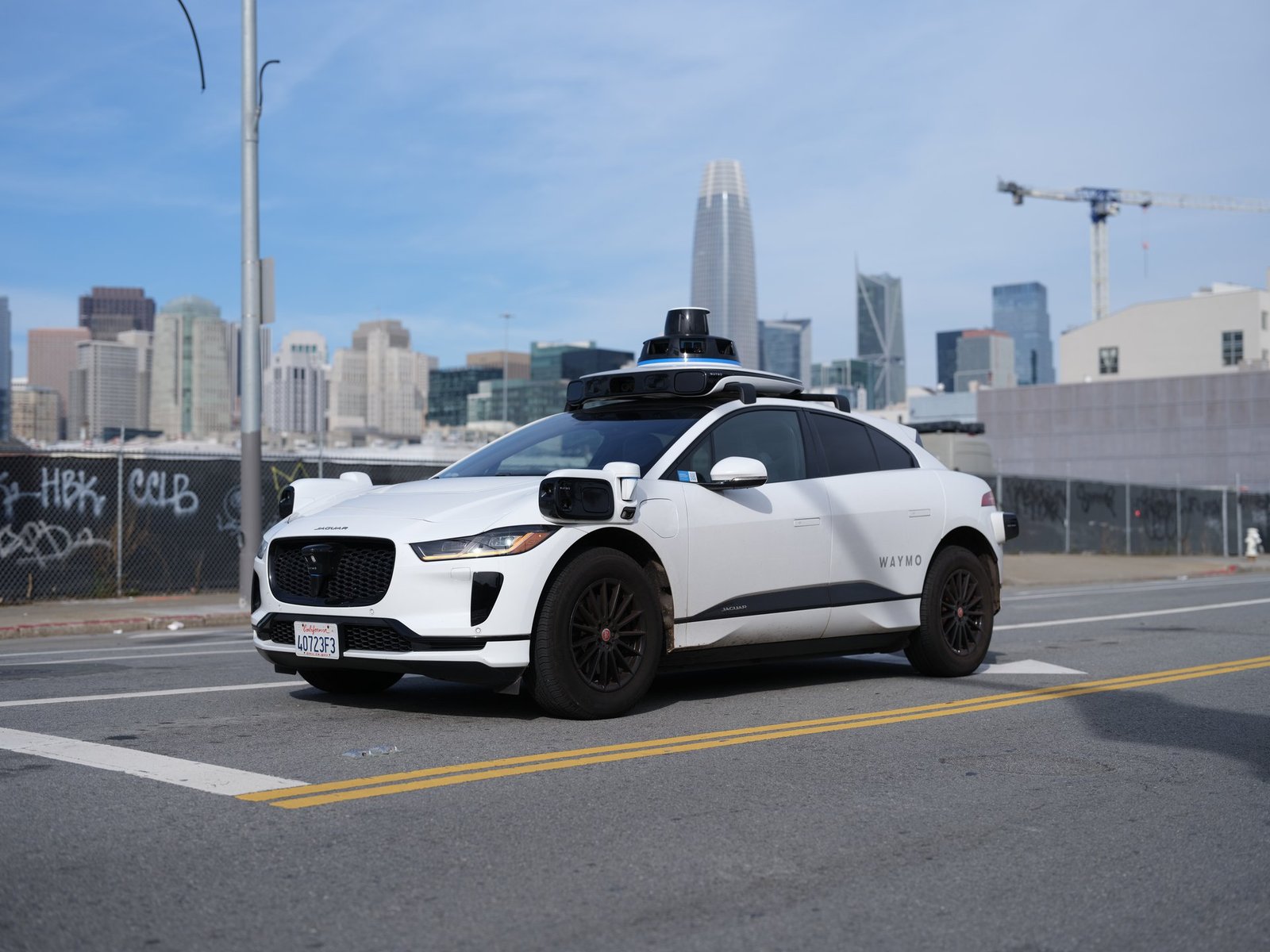

The same playbook, pointed at a colder stage
The first phase is high-definition mapping. Waymo says its cars will cover selected neighborhoods including St. Lawrence Market, Harbourfront, Roncesvalles Village, Parkdale, Liberty Village, Don Mills, Yorkdale, Leaside, East York, Summerhill, Yonge & Eglinton, Weston, Mimico and Etobicoke — running test hours up to 24 a day, seven days a week, to expose the Waymo Driver to the widest range of local road conditions. Autonomous testing with a safety operator on board is meant to begin this fall, and the company has said commercial service would be launched from the Waymo app once regulators sign off on each phase.
Waymo is not doing it alone. For its Canadian launch it has partnered with Toronto-based Element Fleet Management, which will provide maintenance, customer service and other support functions; the company expects the effort to support hundreds of jobs in fleet maintenance, validation driving, customer service and operations. It is the same third-party fleet-operator model Waymo has adopted as it scales, and it gives the expansion a local anchor beyond imported technology.
Why Toronto is a genuinely hard test
Toronto will be the northernmost — and almost certainly the most wintry — city Waymo has attempted, and that is the real technical story here. Snow and slush hide lane markings, freeze-thaw cycles warp pavement and repaint the curbline, and street furniture everyone else navigates by memory moves with the seasons. Waymo’s own FAQ makes a point of addressing whether its Driver operates in snow, which tells you where the doubts are. Toronto is not, however, the first autonomous vehicle on these roads under Ontario’s pilot program: California-based Gatik began rolling out 50 autonomous box trucks for Loblaw in the city last year, so Waymo is joining an existing patchwork of provincial permits rather than carving the first trail.
From three cities to fifteen, and now to a fourth country
The move fits a strikingly fast ramp. Two years ago Waymo operated commercial robotaxi service in only three markets and its vehicles were not yet driving on freeways. Its expansion push began in March 2025 with a deployment in Austin and continued in Atlanta. Today the company runs services in 15 US cities and is testing in London and Tokyo as well — meaning Toronto is coming online while the system is already being validated for two very different driving cultures abroad. Toronto gives Waymo a door into a new national market with a dense, transit-heavy urban core and a demanding winter, and it lets the company test whether its playbook transfers across borders or needs reinvention in snow.
For a company whose public identity is built on safety statistics, Canada also arrives at an interesting moment in that argument. Waymo has long leaned on driverless-mileage comparisons against American car crash data, and the push into new cities — announced and validated in months rather than years — depends on a playbook that treats each launch as a repeatable industrial process rather than a research project. Toronto will show how much of that process is genuinely transferable: the mapping, the permit stages and the fleet partnership are proven, but nothing in the company’s operational record yet answers the snow question. The 2028 date is the deadline by which it must have one.
What to watch
- When the autonomous phase with safety operators begins — the company has pointed to this fall.
- How the Waymo Driver performs through Toronto’s first snow season, roughly November to March.
- The provincial approvals needed to remove the safety operator and move toward the 2028 riders-first target.
- Whether winter hardening becomes a selling point other robotaxi operators must match.
Sources: TechCrunch, Waymo, CP24 / CP24 explainer.