
 By asahifile
On Sunday the top scorer in South Korea’s 63rd certified tax accountant exam admitted, on a lawyer’s YouTube channel, that the score was not his. He photographed the questions with a microcamera, sent them to a generative AI model and read the answers off a smartphone, he said — in the April first round and again in July. His first-round total was 397.5 out of 400: one wrong answer in 160 questions, an average of 99.375 in a year when the hardest subject averaged 30.18. Four days after the internet asked how, the question stopped being rhetorical.
From a Confession to a Police File
The confession was voluntary, not a leak. Han Won-seok, 34, published it through his lawyer, Lee Don-Ho, and gave a written statement to the Seoul Metropolitan Police Agency, which assigned the case to its violent crime unit. The Human Resources Development Service of Korea (HRDK), which runs the exam, apologised through president Lee Byung-Hoon and said it would file a criminal complaint for obstruction of business; the Ministry of Economy and Finance moved to suspend the certificate. Under the law a proven cheat can have the result voided and be barred for five years. He told investigators he had used the same method on a certified public accountant exam.
Sixty Seconds a Question
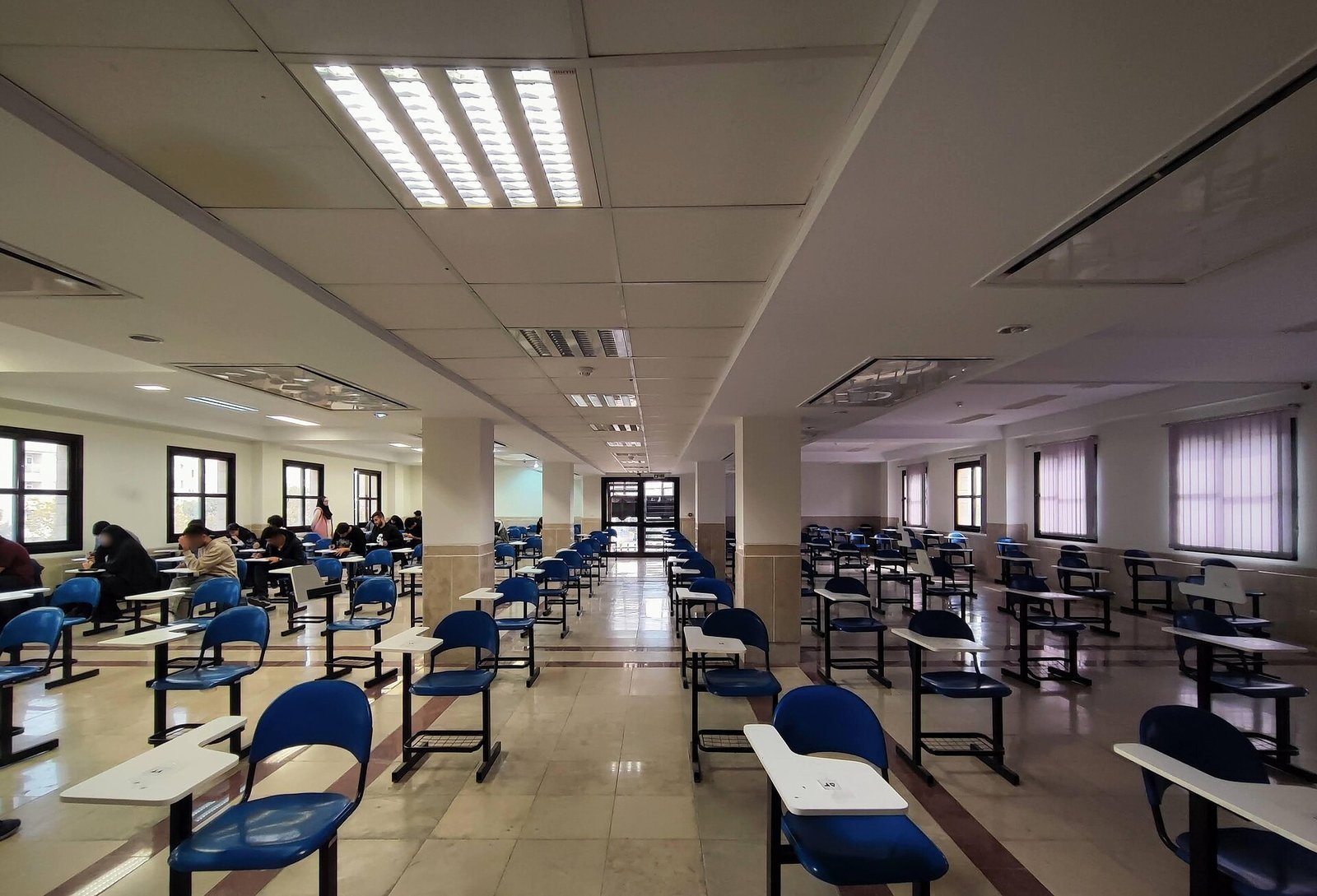
The exam’s timetable explains why it worked. The 2026 plan runs the first round in two 80-minute sessions, each carrying two subjects of 40 questions: 160 questions in 160 minutes, or 60.0 seconds each, at 2.5 points per correct bubble. Photographing a page, pushing it to a model and reading one of five options is not instant, but against 60 seconds it does not have to be — a 15-second round trip spends a quarter of the allowance, a 25-second one 40%. What the format did not supply was privacy. HRDK says two proctors supervised the room and that his seat was centre of the second row in April and centre of the first row in July.
The Score That Did Not Fit
Arithmetic makes the confession legible. At 2.5 points a question, 97.5 in public finance is 39 correct out of 40, and the three perfect subjects are 40 out of 40. The previous two top scorers averaged 85.625 (61st exam) and 81.875 (62nd); his 99.375 is 17.5 points above last year’s best, seven questions’ worth. The distribution is stranger. In introduction to tax law, 16,856 candidates averaged 30.18 — about twelve correct out of forty — and 12,509 of them, 74.21%, fell below the 40-point floor that fails a subject outright. Only 4,347 cleared it; he scored 100, 27.9 questions above the average. The second round is the signature: 192, 190, 114 and 167 out of 200, 663 of 800, or 82.875% — near-perfection on multiple choice, 57% on the tax-law essay.
The Proctors and the Wrong Suspect
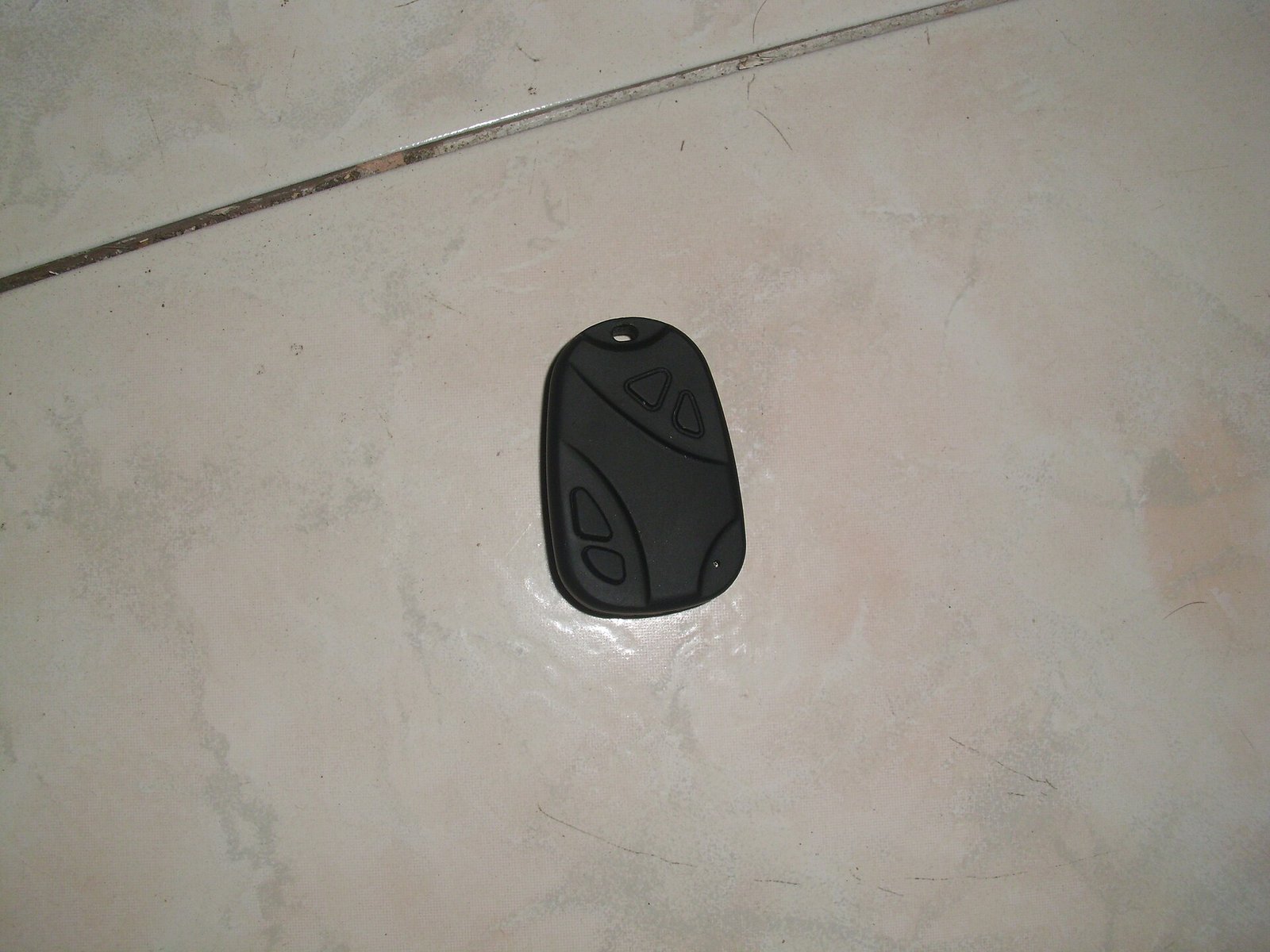
For three days the argument was about the wrong device. The scores surfaced on 11 November in a tax-industry newspaper’s pass-story interview; on 12 November HRDK and the National Tax Service said they were looking into it, the online theory was smart glasses, and Han denied it. Then the confession named a microcamera and a phone. That matters, because South Korea has been building detection around glasses: an HRDK “AI inspector” caught a candidate in smart glasses at a gas engineer exam in October, two Seoul university applicants were reported the same month, and the education ministry counted four school cases between 27 October and 3 November. Screening works when inspectors know what to seek; a key-fob camera looks like a key fob. The tripwire that fired was statistical, and the candidate pulled it himself.
What Five Years Costs
A five-year bar runs from the date of sanction, and the exam is annual: it would cover the 64th sitting in 2027 through the 68th in 2031, so the 69th is the first he could enter. The seat is not abstract. This year 19,962 applied, 3,050 passed the first round and 722 the second against a statutory minimum of 700 — 27.7 applicants per place, with the first-round pass rate down 4.46 points to 18.09%.
What to Watch
- 19 November, the Suneung. Whether announced device screening appears at every centre.
- Two clocks. Certificate suspension can move in weeks; a criminal case will not.
- The rest of the 63rd exam. HRDK is reviewing second-round scripts beyond his.
- Format design. 160 multiple-choice questions at 60 seconds each is the cheapest format to automate; watch whether that share shrinks.
- Qualification exams. Whether detectors and AI inspectors migrate from the entrance exam, or agencies build outlier-score audits instead.
Sources: Yonhap, BBC, RTE, Newsis, Tax Times, and HRDK’s 2026 exam plan and scoring rules.