
 By asahifile
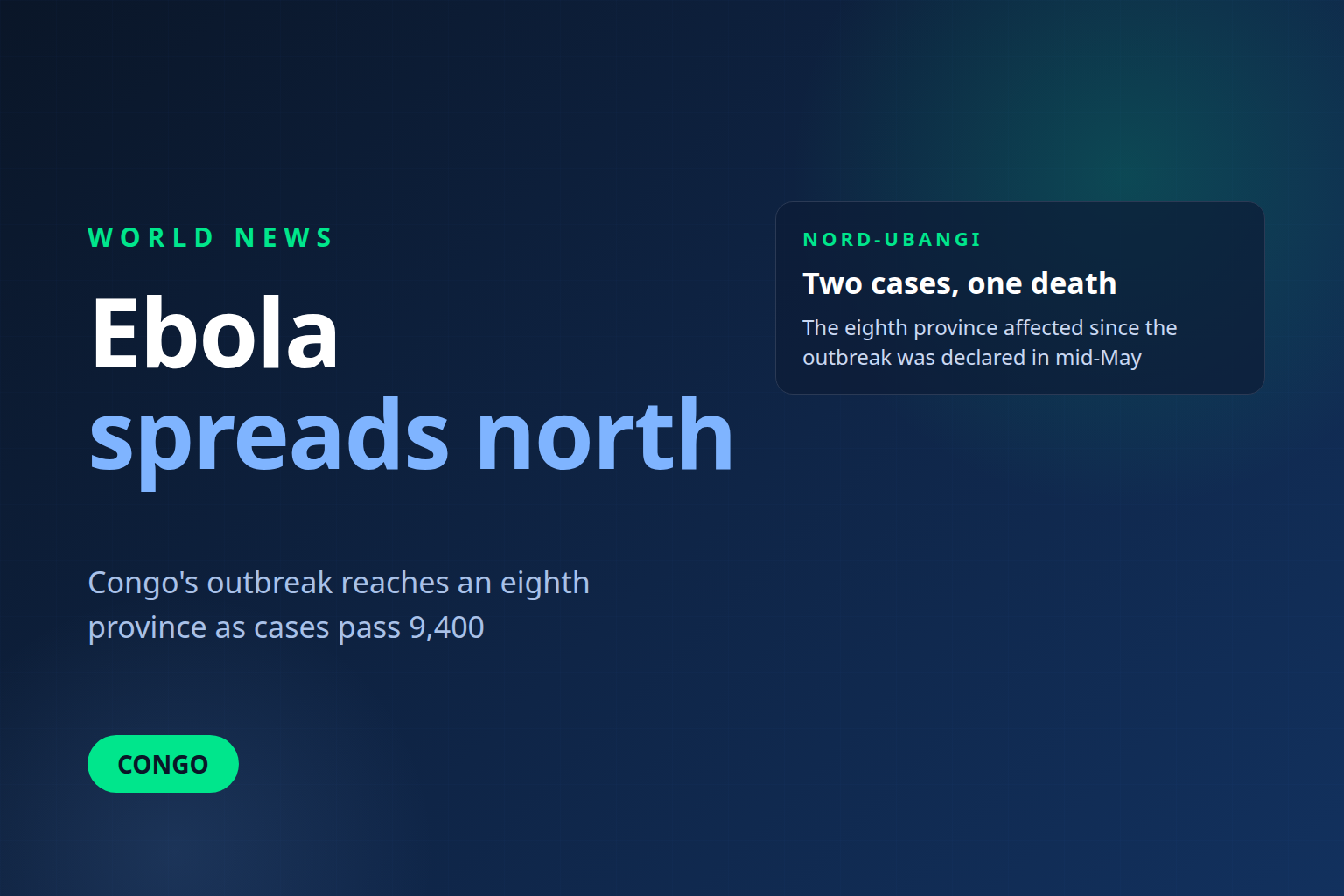
Congo’s Ebola outbreak has spread to an eighth province, authorities said on Sunday, after the health ministry recorded two cases, including one death, in Nord-Ubangi province in the country’s north, which borders the Central African Republic.
Both patients were men in their twenties living in the Wapinda health zone, which borders Bas-Uele province where Ebola cases have been reported previously. The National Institute for Biomedical Research confirmed the two cases. Reuters had reported them on Thursday, citing two health officials, before the official statement.
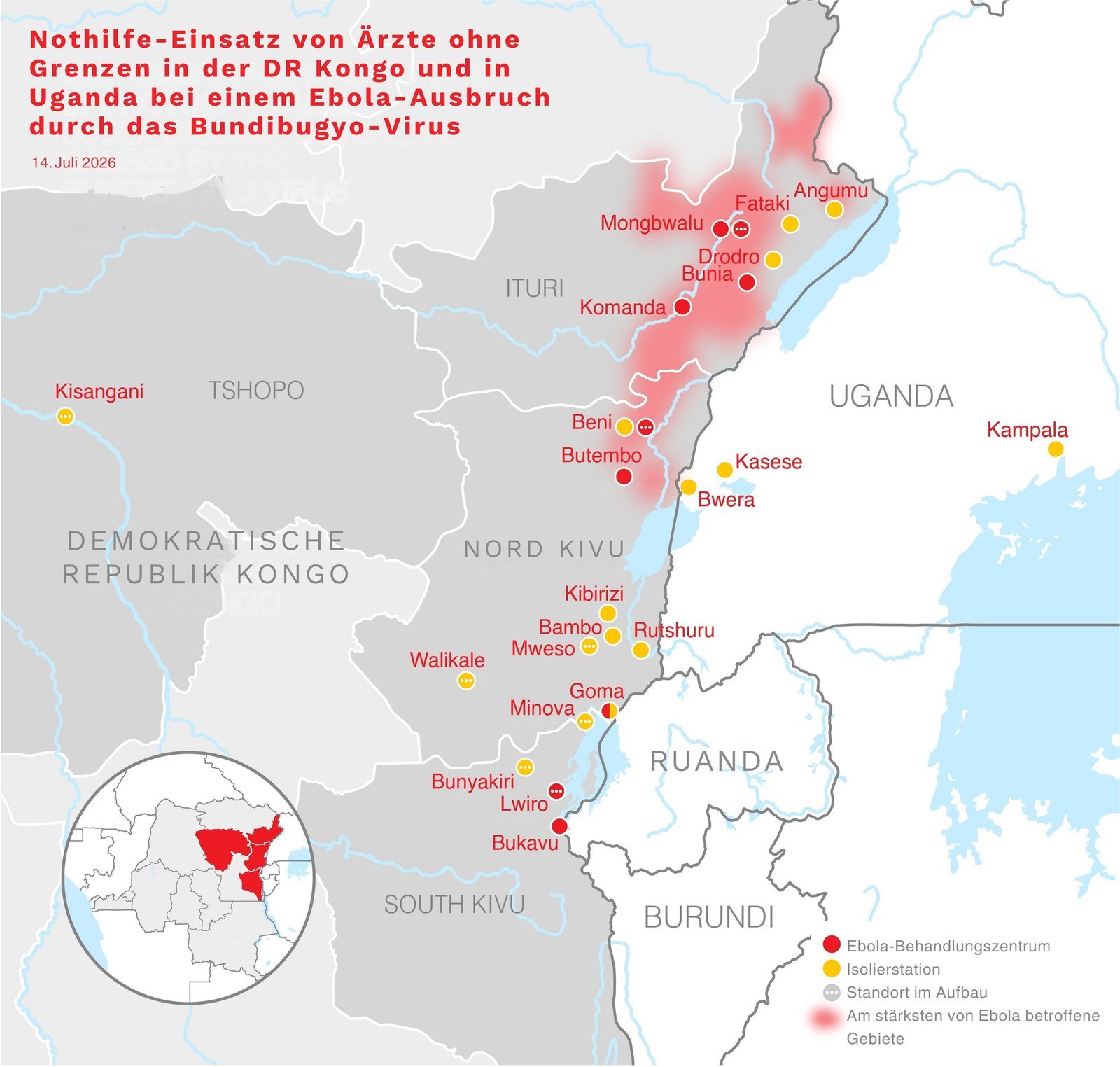
Nord-Ubangi becomes the eighth affected province, alongside North Kivu, Ituri, Haut-Uele, Tshopo, Sud-Kivu, Bas-Uele and South Ubangi.
A record outbreak, still widening
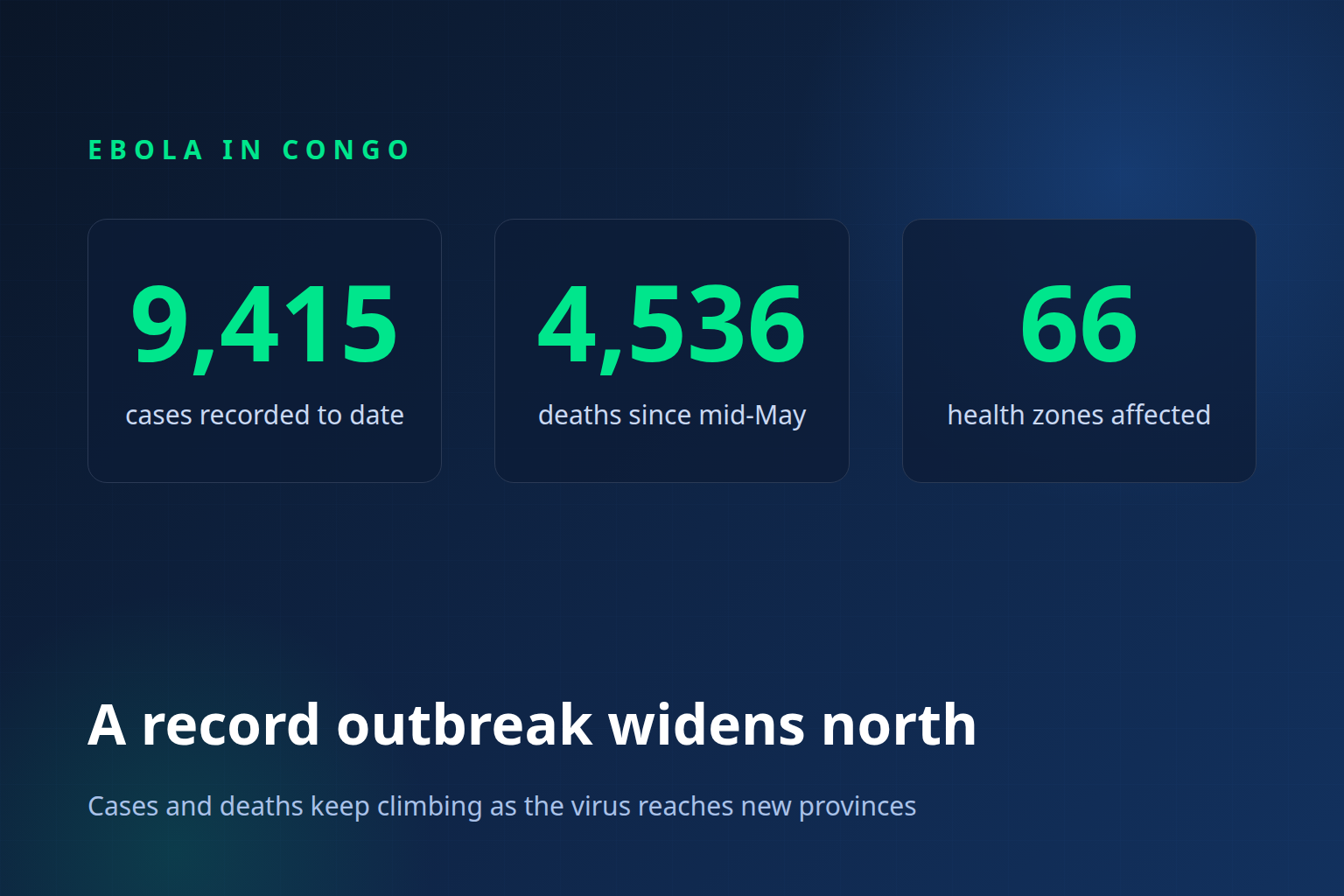
Authorities have recorded at least 9,400 cases including more than 4,500 deaths since the outbreak was declared in mid-May, making it the deadliest in Congo’s history. Congo’s latest situation report, cited by Reuters, gives 9,415 cases and 4,536 deaths cumulatively, with 67 new confirmed cases and 26 new deaths in the 24 hours to Oct 16.
Ituri province in eastern Congo remains the epicentre, accounting for almost three quarters of confirmed cases; 44 of the 67 new cases were in Ituri. Sixty-six health zones have been affected since the start of the outbreak.
Why the vaccine gap matters
The virus is the rare Bundibugyo strain, for which there is no approved vaccine or treatment; a clinical trial is under way. That absence shapes the whole response. Without a licensed vaccine, teams cannot run the ring-vaccination campaigns that helped end earlier outbreaks of the more common Zaire strain, so responders must lean on supportive care, isolation and contact tracing alone.
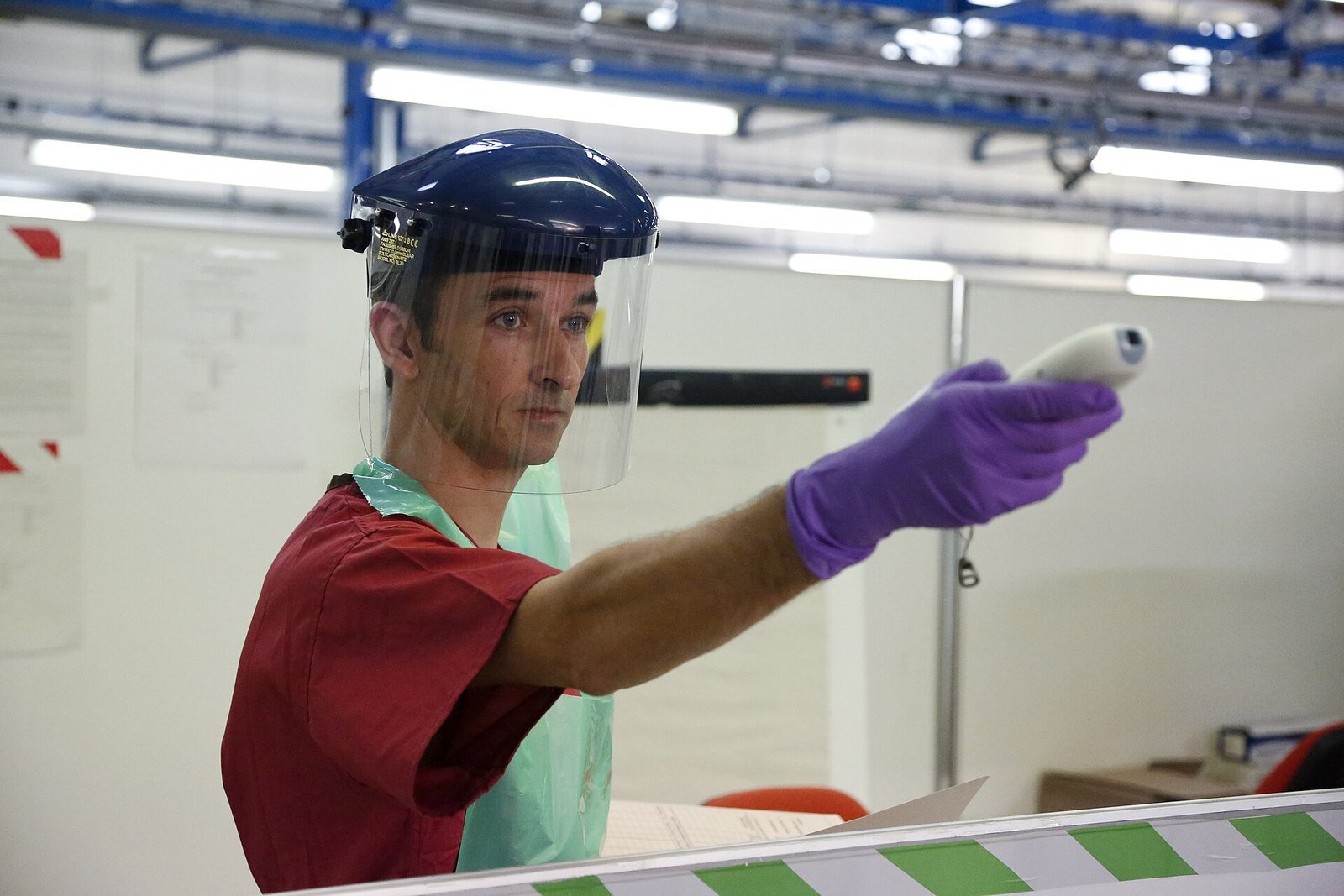
Running a trial during an active outbreak is slow and ethically delicate work. Candidates must be tested against a moving epidemic, consent must be secured in communities that have reason to distrust outside responders, and results arrive only after enough patients have been enrolled. In the meantime, treatment is largely supportive: fluids, oxygen where available and intensive nursing, delivered in units where staff must wear full protective equipment in tropical heat.
“We see pockets of Ebola generally going down, but unfortunately geographically it’s spreading out,” WHO Regional Director for Africa Mohamed Yakub Janabi told The Associated Press in an interview in Beni, eastern Congo, on Friday.
What geographic spread signals
The worrying signal here is not a sudden surge in case counts but the widening of the map. When the virus reaches new provinces it usually reflects the movement of people rather than a new source of transmission, and it means responders must stretch surveillance, laboratory capacity and treatment beds across a larger area with thinner resources. Drivers cited by health officials include mass population movements, rebel violence, community mistrust and the poor working conditions of front-line health workers.
Nord-Ubangi sits between Sud-Ubangi and Bas-Uele along the Central African Republic border, where recurring armed violence has forced thousands to flee into Congolese border communities. Access is difficult because of poor roads and limited communication networks, which complicates the contact tracing that containment depends on. The outbreak has also crossed borders, with cases recorded in Uganda and seven infections confirmed in Kenya this month.
Surveillance is the other constraint. Sixty-six health zones have now reported cases, and each new province adds communities that must be monitored, samples that must reach laboratories and contacts that must be traced, often on foot. Where roads wash out and phone networks are patchy, a case can circulate for days before it is confirmed, and every missed link in the chain widens the outbreak’s reach.
Congo’s state news agency ACP reported on Sunday that authorities in North Kivu — where the WHO says substantial transmission continues — will introduce a one-week ban from Monday on people entering the province from Ituri to slow the spread. Such restrictions can buy time, but they can also push travellers onto informal routes and away from screening points, and they do little about transmission already under way inside the province.
What to watch
- Whether Nord-Ubangi’s two cases stay contained or seed local transmission in the Wapinda health zone and its neighbours.
- Whether the Bundibugyo clinical trial produces early efficacy signals that could support a wider vaccination campaign.
- Whether the North Kivu entry ban reduces movement from Ituri or simply shifts it to unmonitored crossings.
- Whether Kenya and Uganda report further imported cases, and how quickly those are ring-fenced.
Sources: AP News, US News & World Report, Reuters via WHBL, Los Angeles Times