
 By asahifile
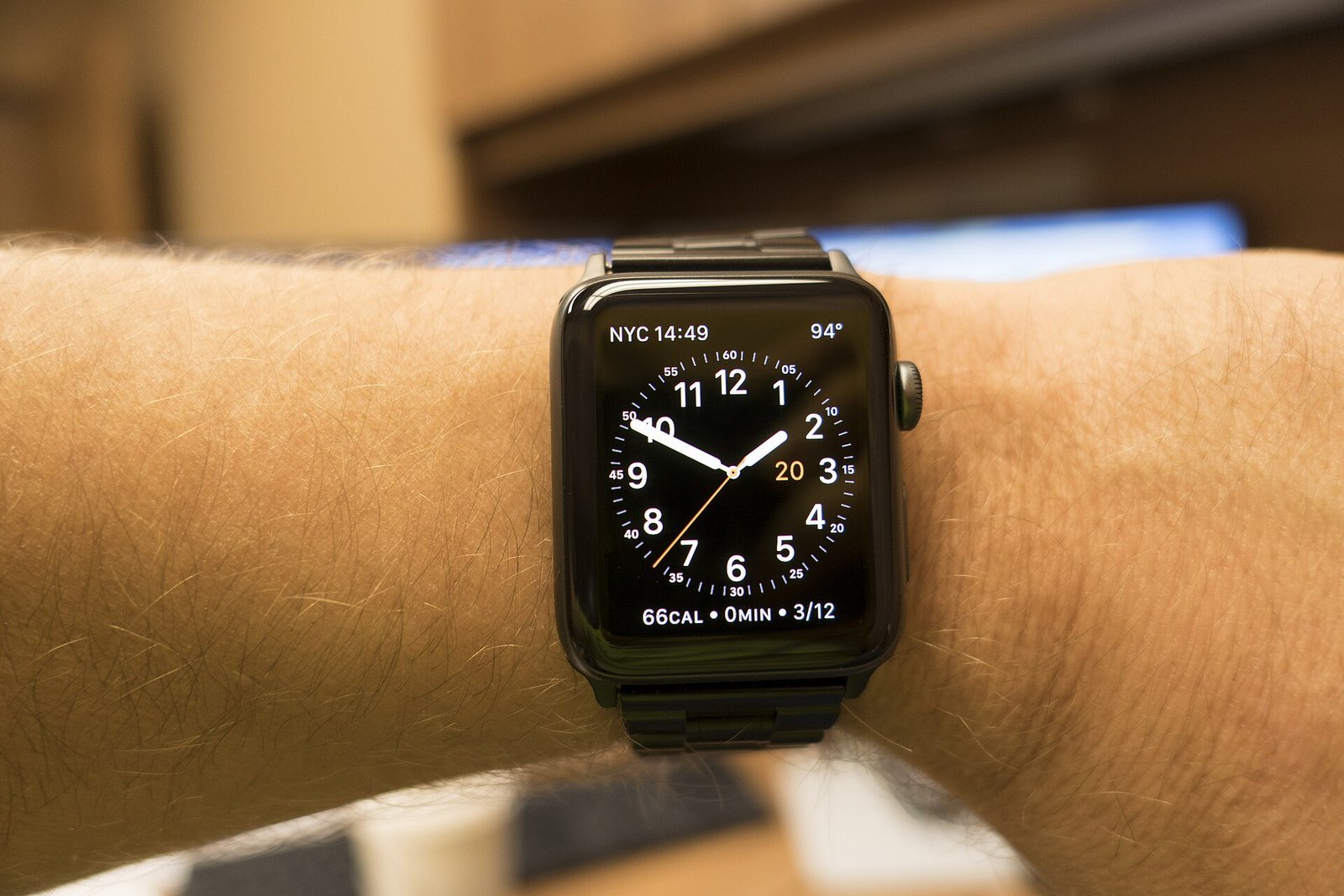
Two new always-listening devices arrived on Thursday: Amazon’s Bee Frontier, a wearable that clips to clothing or sits on the wrist, and Bee Eclipse, a card-shaped device that attaches to a smartphone. Both record, transcribe and analyse a user’s day. They join an Apple Watch Series 12, unveiled in September, whose Siri Recap ambiently takes notes throughout the day and summarises conversations, and whose Live Rewind recaps 15 seconds of a conversation as text.
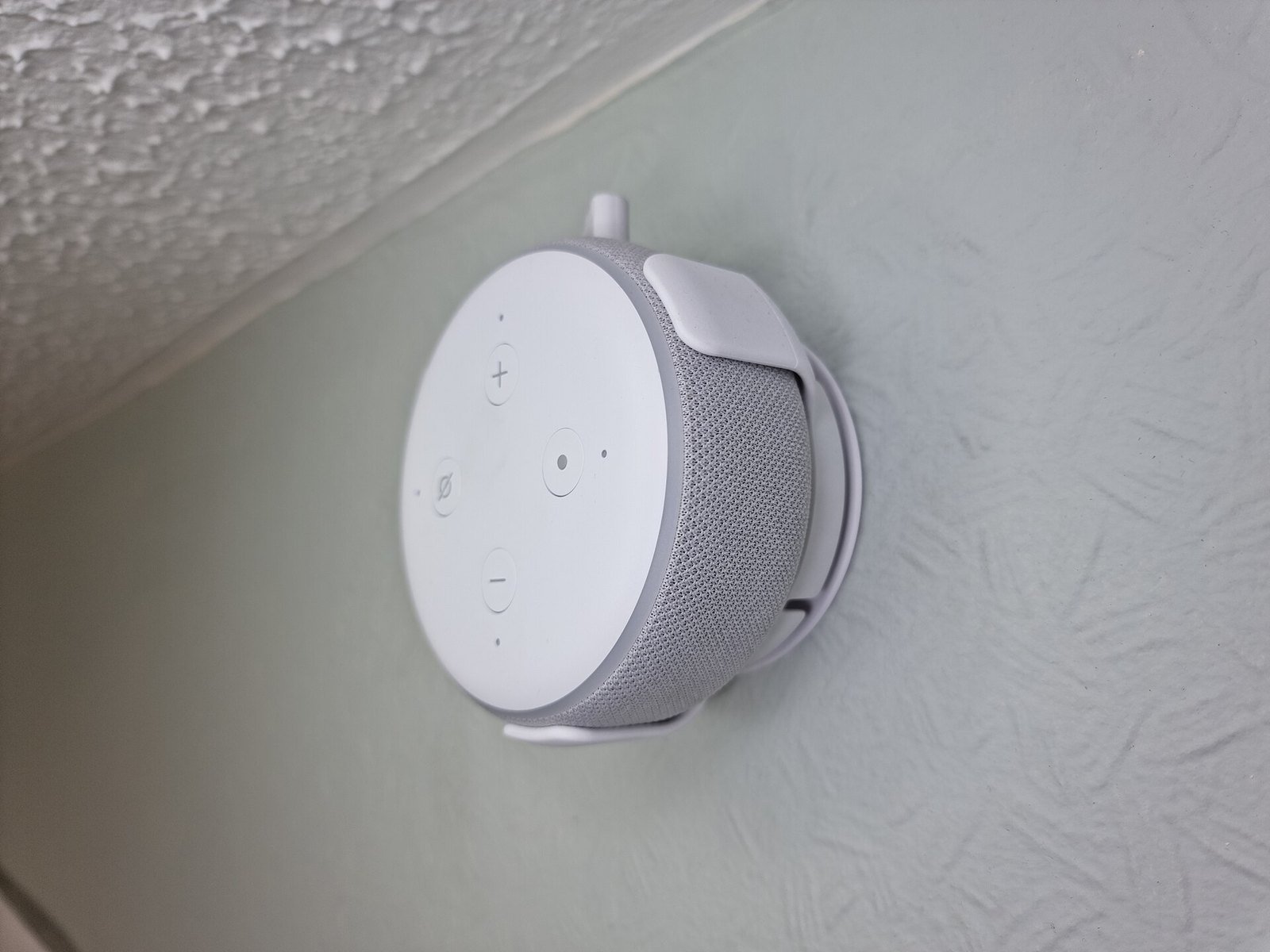
Apple says the feature does not store audio, does not send recordings to its servers and involves no human review. Meta’s smart glasses take photos, capture video and record voice notes. Startups including Plaud and Pocket make card-sized note-taking devices. The category is expanding faster than the rules that govern it.
The shift from recording to interpreting
Earlier smart speakers waited for a wake word, and some stored recordings or sent audio to the cloud; several faced lawsuits and fines. The new devices differ in kind: some continuously listen, interpret speech and extract meaning without retaining the underlying audio. That raises a question the earlier litigation never had to answer: can that processing itself amount to an unlawful interception?
Colin Zick, a privacy and data security attorney at Foley Hoag, told CNBC that Apple appears to have learned from the first wave of voice-assistant litigation, but that the new technology raises questions those cases never had to address. Many state wiretap laws turn on whether a private communication was intercepted or its contents acquired, not whether an audio recording was created. Massachusetts defines an intercepting device to include equipment capable of transmitting, receiving, amplifying or recording a communication, and treats the substance and meaning of a communication as its contents. A device that continuously receives speech and produces a written summary could, in Zick’s view, fall within that language even without retaining an audio file.
The liability lands on the wearer
The more unusual feature of the legal exposure is who carries it. A non-wearer did not buy the watch, agree to Apple’s terms, or choose to have their conversation summarized in the app, Zick said. Daniel Pi, an associate professor at the University of New Hampshire Franklin Pierce School of Law, went further: New Hampshire’s statute is broad enough, he believes, that the Watch’s audio-intelligence features would qualify as an interception, because the law covers not only recordings but the aural acquisition of a communication’s contents. That could mean an ordinary consumer switches on a built-in feature and, at least technically, runs afoul of state law in a private conversation without everyone’s consent. Pi said a user in New Hampshire could potentially face civil or criminal liability, though he stressed the practical risk of prosecution is lower.
Why the design of the technology creates the problem
Karen Panetta, dean of graduate education at Tufts University’s School of Engineering and an IEEE fellow, framed the consent gap plainly: with new technology, her statement is always to embrace with caution, because her own permission to be recorded does not mean everybody else around her has consented.
The bystander is the point. Michael Stokes, a former CIA officer and senior vice president of emerging technologies at Veilant who helped develop the concept of ubiquitous technical surveillance, said the bystander problem is his concern: that you can be surveilled without owning the technology. AI also collapses the cost of making sense of what is collected; work that once needed thousands of hours of human analysis can now be automated.
Counter-measures and the market incentive
Some of the response is technical. Aida Baradari, founder of the startup Deveillance, built a hockey-puck-shaped gadget called Spectre I that uses AI to scan for nearby devices and emit adversarial signals that scramble a person’s speech before microphones can process it.
Amazon, for its part, has said it does not store audio from Bee devices and that conversations are processed in a secure environment where no one, including Amazon, can access your data. That is a policy commitment rather than a legal shield, and it does not address the wearer’s exposure under state law. The market incentive runs against caution: the feature that makes these devices useful is exactly the one that statutes written around audio files struggle to accommodate.
What to watch
- Whether a state attorney general or a private plaintiff tests an interception claim against a mainstream wearable, and which state’s statute is used.
- Whether regulators or legislatures define interpreting speech as interception, or carve out on-device processing that stores no audio.
- Whether Apple, Amazon and Meta add audible or visible recording indicators and bystander notice, and whether vendors rather than wearers carry the liability.
- How civil suits over bystander consent develop, since the non-wearer never agreed to any terms.