
 By asahifile
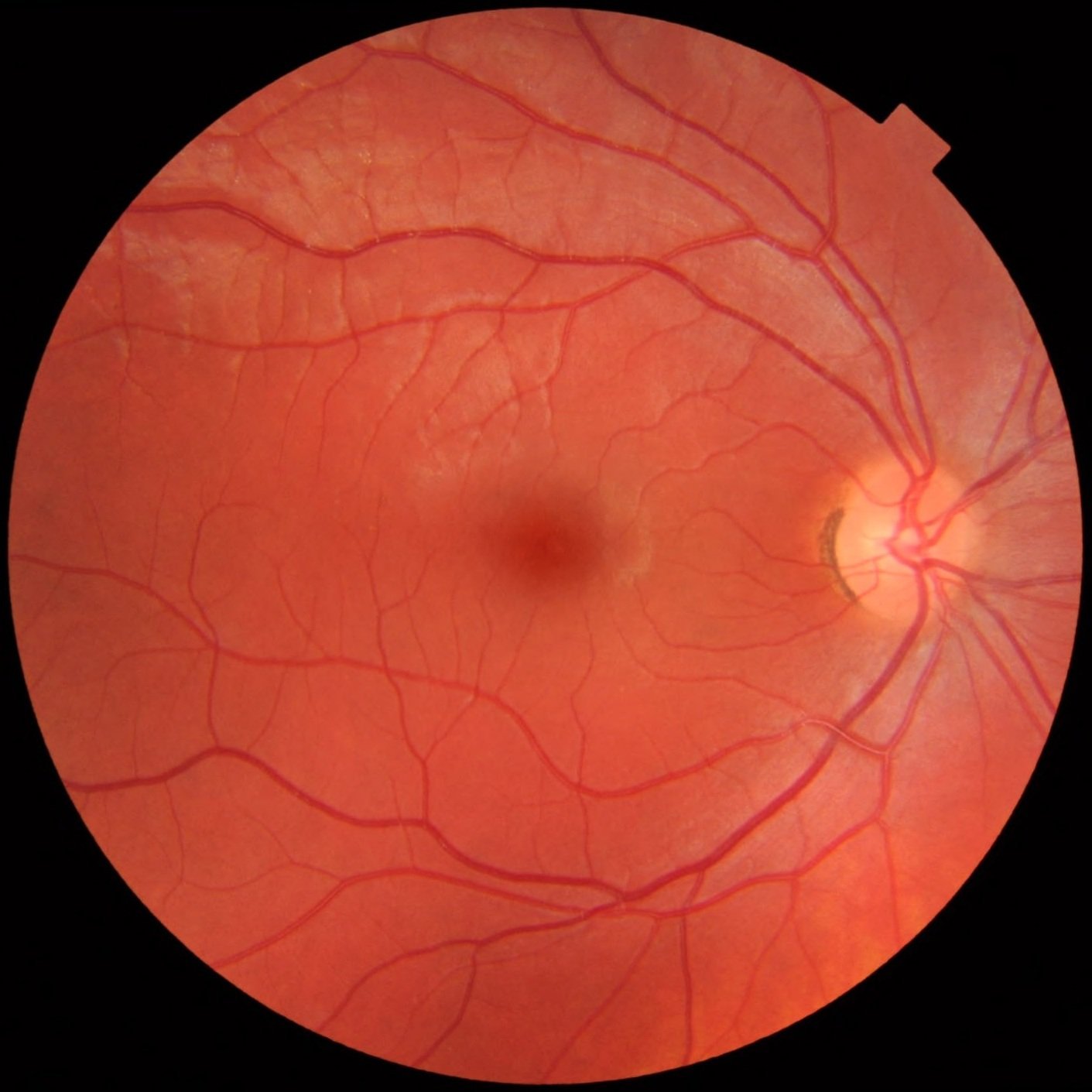
The US Food and Drug Administration on 9 November ordered every manufacturer of a GLP-1 receptor agonist — Ozempic and Wegovy, Mounjaro and Zepbound, Trulicity, Saxenda — to add non-arteritic anterior ischemic optic neuropathy (NAION) to the Warnings and Precautions section of the label. NAION is sudden, painless vision loss in one eye that can be permanent and has no treatment that reverses it. Markets read the news as small: Eli Lilly closed 4.3% higher at $1,411.95, Novo Nordisk’s US listing 2.7% higher.
What fifteen cases can support
Strip the headline and the evidence is a pooled meta-analysis: 126 randomised trials, 134,253 patients, 288,879 person-years, and 15 probable NAION events — ten on a GLP-1, five on placebo, none on another glucose-lowering drug. Do the division: 6.37 cases per 100,000 person-years on treatment against 3.79 on comparator, a rate ratio of 1.68. A Katz 95% interval from 10 and 5 events runs 0.57 to 4.92 — it crosses one. Fifteen events across a quarter of a million person-years cannot separate a small harm from no harm, and all five comparator events fell in placebo arms, none on active drugs.
The FDA’s own real-world data is denser
The same communication reports a Sentinel cohort of adults with type 2 diabetes who started treatment between 2019 and 2024. There NAION ran at 26 to 32 events per 100,000 person-years — 30 to 32 on GLP-1s, 31 on SGLT-2 inhibitors, 26 on DPP-4 inhibitors. Against SGLT-2 the hazard ratio was 1.19 (0.91 to 1.54), not significant; against DPP-4, 1.43 (1.02 to 2.01). At 30 per 100,000, the trials’ 156,947 exposed person-years should have produced about 47 events. They produced ten.
Europe wrote a larger number, 17 months earlier
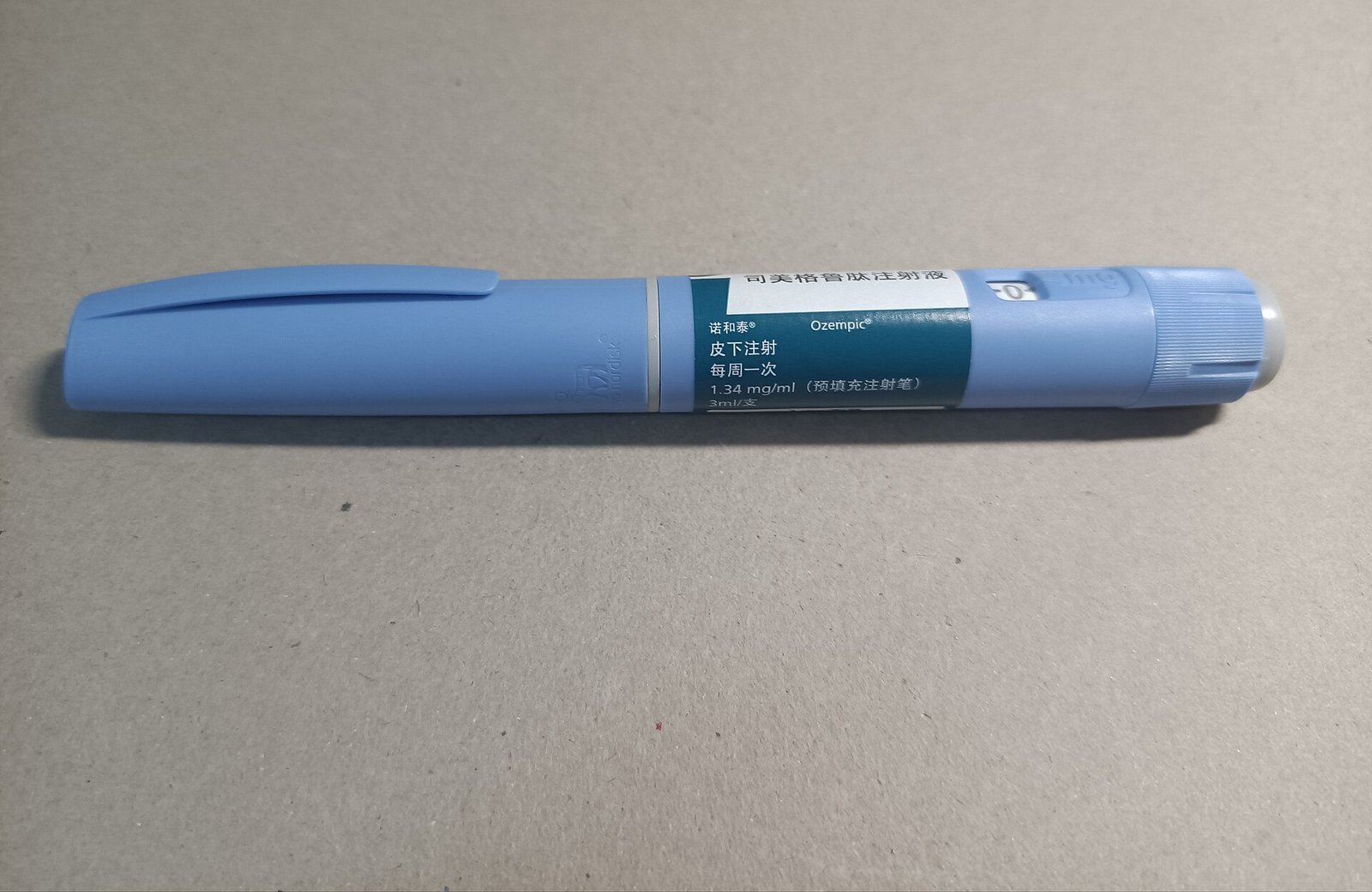
Europe’s PRAC concluded on 6 June 2025 that NAION is a very rare side effect of semaglutide: up to 1 in 10,000 patients, an approximately two-fold relative risk, about one additional case per 10,000 person-years. That is 10 extra cases per 100,000 person-years — 3.9 times the FDA’s excess of 2.6. Britain’s MHRA followed on 5 February 2026, named semaglutide only, published its counts (three Yellow Card reports since 2018 against roughly 10.2 million packs in five years), and said other GLP-1 receptor agonists were not part of the review. PRAC’s conclusion to the FDA’s communication is 521 days.
One molecule or a class
Here the labels part company. Europe and Britain regulated a molecule; the FDA regulated a class, categorically: NAION cases have been reported for all currently marketed GLP-1 RA products. New Zealand’s Medsafe opened a monitoring window on 26 January 2026 naming dulaglutide, liraglutide, semaglutide and tirzepatide, and closed it on 26 July. Australia’s TGA sent prescribers a class-wide letter in July. Four agencies, four scopes, one evidence base in which nobody has found a mechanism; the FDA says animal data did not identify one.
Japan filed it in the smallest box
Japan’s changes arrived as company-initiated amendments (自主改訂), not regulator-led safety measures. Sumitomo Pharma’s notice for Ozempic and Wegovy, dated 22 May 2026, created section 15.1 — clinical-use information — and placed NAION there, citing overseas epidemiological studies and the EU product information while stating that a causal relationship is not clear. Rybelsus, the oral form, was revised in the same May–June window. Trulicity and Mounjaro and Zepbound did not receive the sentence until the 1–15 September round, 116 days later, and in その他の注意 — other precautions — the lowest tier of the Japanese label, below 警告, with no frequency column. The American version sits in section 5, class-wide, with an instruction to consider stopping.
Where the wording changes a decision
Three groups read this differently. A patient who has already lost vision in one eye to NAION is the one the FDA addresses: recurrence in the second eye carries increased risk, and the label now says to discuss continuing. A patient buying semaglutide outside insurance — Japan’s self-pay slimming clinics, Britain’s private prescriptions — is the one the MHRA addresses: the drug may not appear in the medical record, so the ophthalmologist will not think to ask. And a patient on tirzepatide who read the Japanese label in August was reading a document without the sentence.
What to watch
- Whether a fuller Sentinel analysis moves the 1.19 hazard ratio towards significance.
- Whether the PMDA lifts Japan’s 15.1 entry into 警告 and attaches a frequency, as Europe did with the very rare band.
- Whether PRAC extends its review past semaglutide to the class — the mirror image of the FDA’s move.
- Whether new-prescription rates move once revised labels reach clinics; Citi’s read is minimal impact.
Sources: FDA Drug Safety Communication, 9 November 2026; EMA PRAC, 6 June 2025; MHRA Drug Safety Update, 5 February 2026; NIHS Drug Safety Information Vol.24 No.10 (Medsafe monitoring window); Sumitomo Pharma label notice, 22 May 2026; MSD Rybelsus label notice; Nikkei BP label-revision watch, September 2026; BBC News.