On 2 November Raspberry Pi raised the price of the 16GB Raspberry Pi 5 by $80, to $385 — 3.2 times its January 2025 launch price of $120. Japanese outlets checked two days later and found ¥78,980 at Switch Science, one of the two Approved Resellers Raspberry Pi lists for Japan. At 08:00 JST today the same page showed ¥62,590: the dollar price rose 26% and the yen price fell 21% in one week, for the same board.
Two price lists that do not convert into each other
Strip Japan’s 10% consumption tax before comparing. Switch Science’s 4GB board lists at ¥22,990, or ¥20,900 without tax; against the $110 US list that implies ¥190 to the dollar. The 8GB board implies ¥188.6. Both sit about 20% above the ECB reference rate of ¥157.95 on 9 November — freight, importing and retail margin. The 16GB now implies ¥147.8, 6% below the reference rate. Akizuki Denshi’s ¥60,390, catalogued on 4 November, implies ¥142.6, but that listing may predate the increase.
The 16GB penalty was in the ladder. Tokyo took it out.
US list prices are not linear in memory. 4GB to 8GB costs $16.25 per extra gigabyte; 8GB to 16GB costs $26.25, a 62% steeper step for the last eight gigabytes — what a shortage of one density looks like. On 4 November Tokyo matched the curve: (¥78,980 − ¥36,300) ÷ 8 = ¥5,335 per gigabyte, against ¥3,328 for the 4GB-to-8GB step, a ratio of 1.60. Today the same arithmetic gives ¥3,286, a ratio of 0.99. In Japan the 16GB is now the cheapest memory per gigabyte in the family: ¥3,556 excluding tax, against ¥4,125 for 8GB and ¥5,225 for 4GB. In dollars the ranking reverses — $24.06 per gigabyte for 16GB against $21.88 for 8GB.
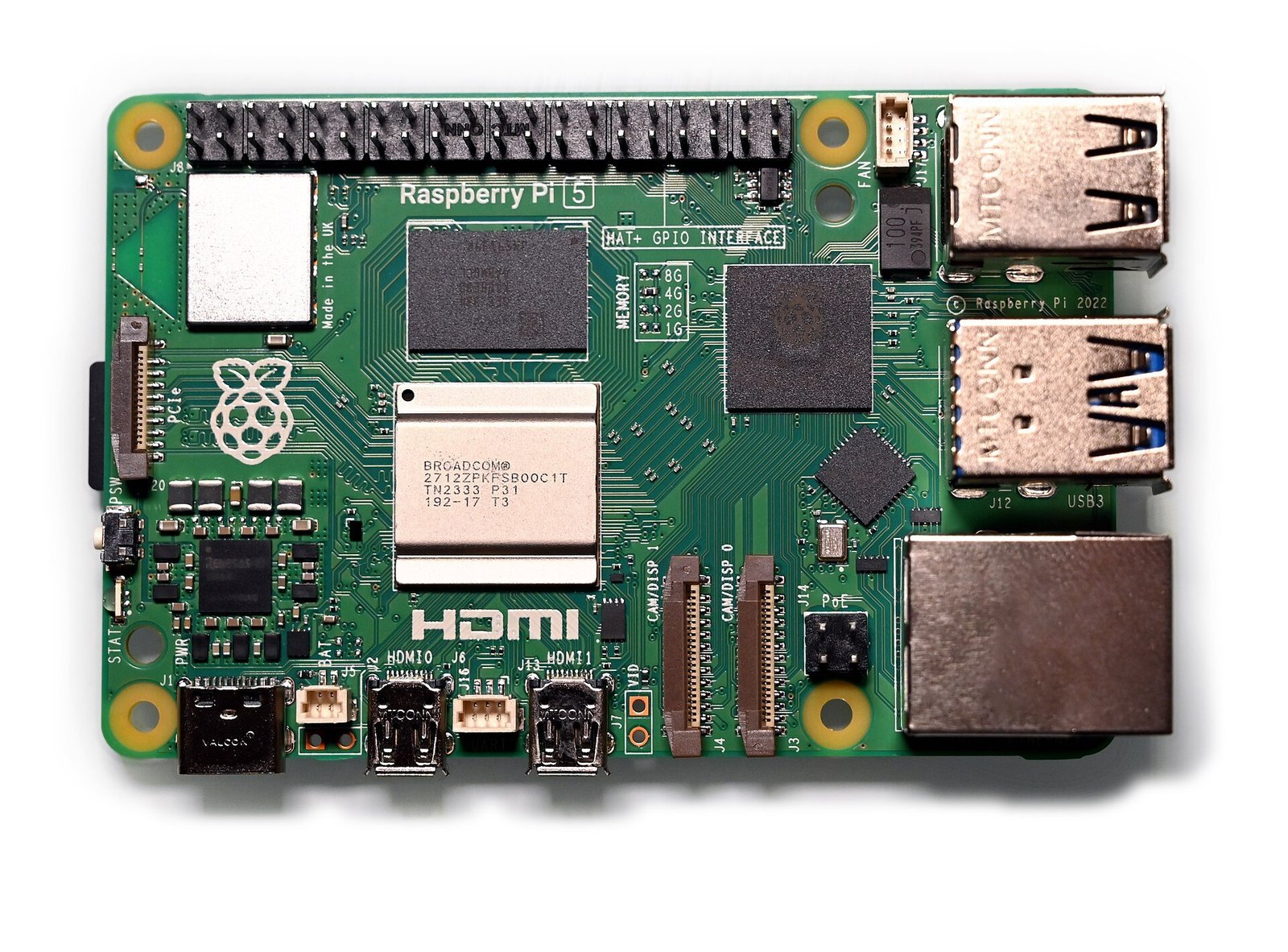
Photo: SimonWaldherr, CC BY 4.0, via Wikimedia Commons
Six rounds, one component
The 16GB board’s path: $120 at launch, $145 on 1 December 2025, $205 on 2 February 2026, $305 on 1 April, $385 on 2 November. The 1GB Pi 5, introduced in December 2025, is still $45. Raspberry Pi’s explanation has not changed: the LPDDR4X soldered to the board became far more expensive as AI infrastructure absorbed DRAM output — seven times the year-earlier level by April, according to a Japanese summary of the announcement. The November post adds a narrower reason — “a lack of alternative supply for 16GB DRAM” — and notes that older LPDDR2 models were spared because years of that inventory are already paid for.
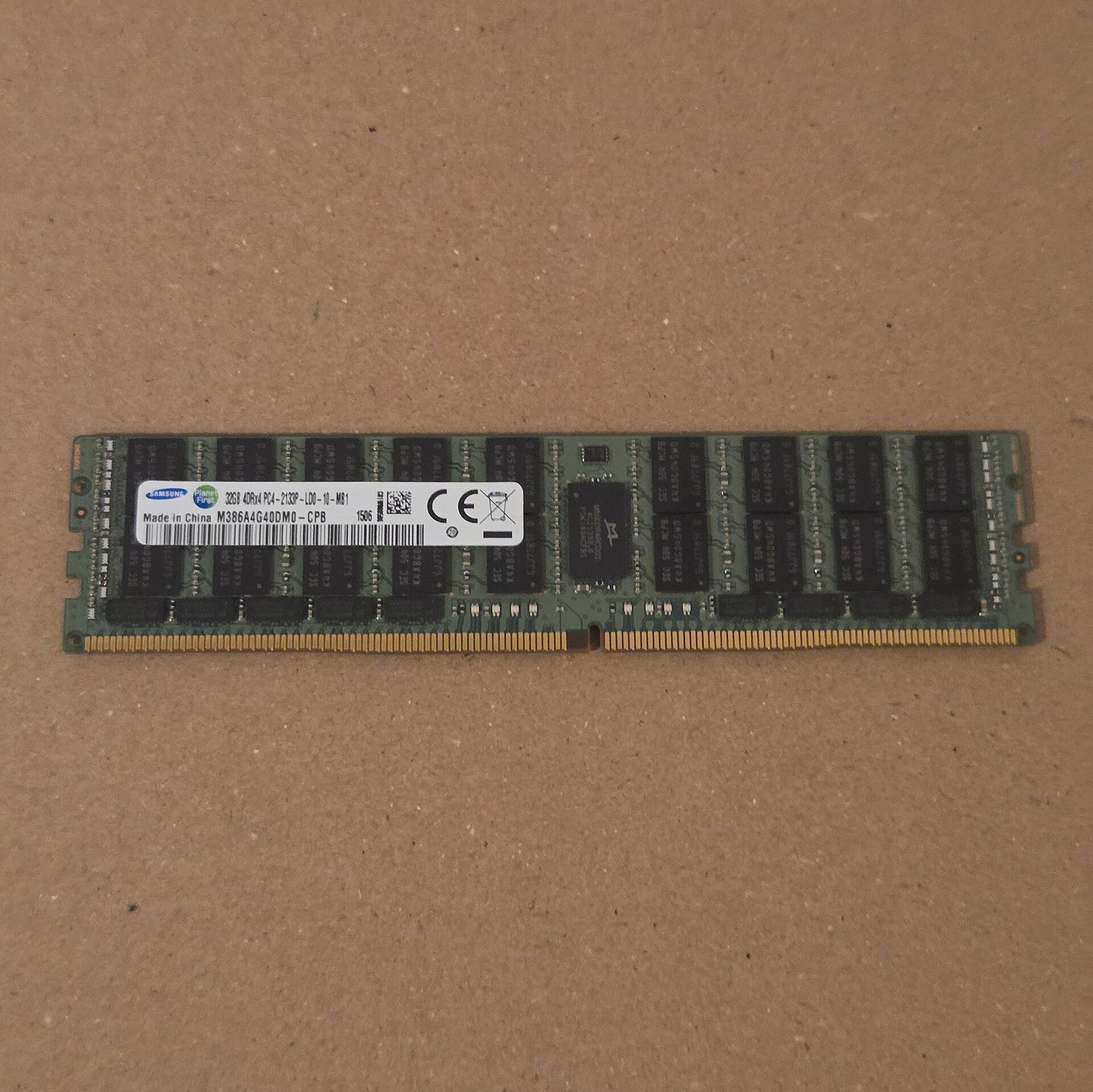
Photo: Sebastiaan Broekhoven, CC BY-SA 4.0, via Wikimedia Commons
Temporary, or 2028?
Raspberry Pi calls the situation “difficult but ultimately temporary” and promises to roll prices back when memory costs fall. Forecasters are less cheerful. TrendForce expects conventional DRAM contract prices to rise another 10–15% quarter on quarter in the fourth quarter of 2026, and warns that PC DRAM supply could shrink in 2027 as capacity moves to servers. Micron says the shortage should last at least until 2028; SK Hynix has floated 2030, as CNX Software summarised. “Temporary” and “2028” are different claims, and the ladder above is the test.
The stranger line is the 500+, a complete keyboard computer with the same 16GB, held at $410 — only 6.5% above the bare board, where at launch the gap was 67%. The yen shelf is stranger still: a complete Pi 400 with 4GB and a Japanese keyboard is ¥14,520, while the bare 4GB Pi 5 is ¥22,990.
Who should not buy the 16GB board this week
For GPIO work or a small always-on server, 16GB buys nothing the $45 1GB board cannot do. For a desktop, the 500+ and 400 are better value per yen until they are repriced, which after two hikes avoided looks like the next announcement. The verdict flips only where the memory is genuinely used: local inference, many containers, work that would otherwise page. And in Japan the usual advice inverts — at ¥62,590 the 16GB is the cheapest RAM per gigabyte on the shelf, so buy it if you need 16GB, and do not upgrade to chase value if you need 8GB.
One caveat stops that from being a forecast. A 21% cut in six days, while the list price rose, looks like old-cost stock repriced against a competitor rather than a new floor: the gap to Akizuki narrowed from ¥18,590 to ¥2,200. When that inventory runs out, replacement cost is the $385 list.
What to watch
Whether ¥62,590 survives Switch Science’s current stock; the page showed 100+ units on 10 November.
Whether the Pi 500+ follows the board up. A complete 16GB computer cannot stay $25 above a bare one.
TrendForce’s fourth-quarter contract numbers in January, against its own 10–15% forecast.
Any sign that 16GB DRAM supply loosens before Micron’s 2028 horizon — the one event that would let Raspberry Pi keep its rollback promise.

 By asahifile