
 By asahifile
Elon Musk has said he is actively considering merging Tesla and SpaceX, his two most valuable companies, in what would rank among the largest corporate combinations ever attempted.
“Do I think it would be a good idea? Yes,” Musk told analysts on a call discussing SpaceX’s latest quarterly results on Tuesday. He stressed that no deal was assured, that shareholders would have the final say, and that special committees have been formed inside both companies to examine the idea.
The numbers behind the talk
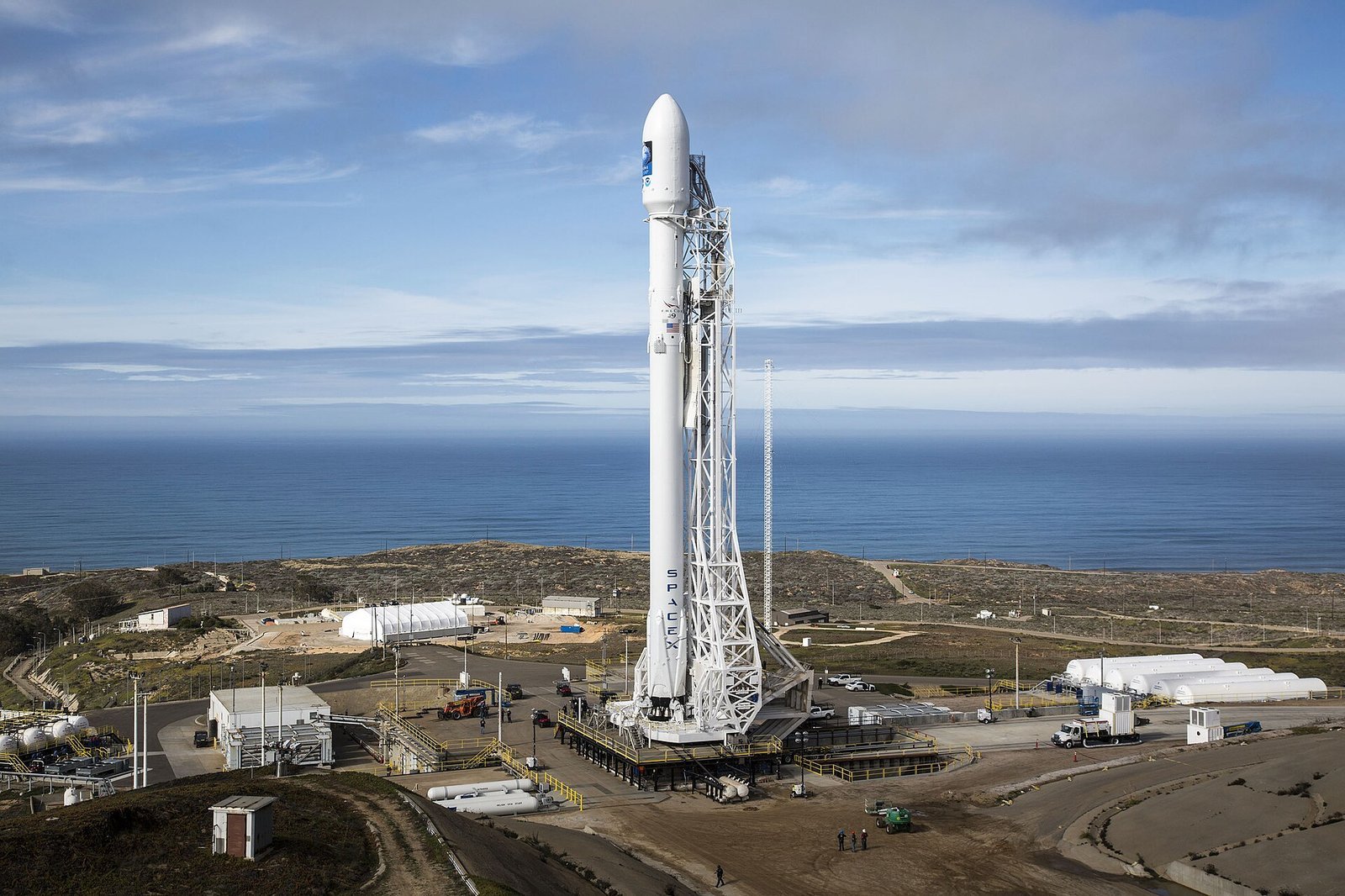
Tesla is valued at roughly $1.5 trillion and SpaceX at about $2 trillion following its market debut earlier this year, when it overtook Tesla on the public market. Starlink, the satellite internet business, brought in $5.2bn in the three months to 30 September, up from $3bn a year earlier. SpaceX’s broader cloud-compute business, which now sells capacity to companies including Anthropic and Google, generated $7.5bn over the same period, up from $813m.
The group picture is messier. SpaceX’s revenue jumped to $27bn from $13.7bn over the first nine months of the year, but the company is still not profitable overall, posting a $1.1bn loss across that span — even as it recorded a $4.4bn profit in the most recent quarter.
Why combine two very different businesses
Musk’s argument is convergence. A full merger, he said, “would make sense for the work each is doing around chips, artificial intelligence and software”. Tesla has been shifting resources towards robotics while SpaceX has moved aggressively into AI infrastructure. The two already collaborate through Terafab, a joint chip-manufacturing effort, and Musk has spent the past year consolidating his holdings: before its listing, SpaceX acquired xAI and the social platform X, both of which he owned.
He also acknowledged the obvious conflict. As chief executive of both companies he described himself as a “conflicted party” and said he is not sitting on either special committee, adding that even discussing the idea felt like “tap dancing through a minefield”.
What a deal would actually take
The mechanics are formidable. At least 50% of Tesla’s shareholders would need to approve a combination, which Musk himself called “quite a high hurdle to achieve”. Investors have backed him before: last year a majority approved a compensation package valued at around $1tn.
Markets reacted immediately. SpaceX’s share price rose 8% in after-hours trading after Musk’s comments, while Tesla, which reports its own quarterly results on Wednesday, rose 2%.
Tesla’s investor base would also have to weigh a practical question. A merger would most likely be structured as a share exchange, and the ratio used would implicitly set a price for both companies. If SpaceX’s valuation reflects a fast-growing launch and AI infrastructure business while Tesla’s reflects a carmaker in transition, a straight swap could be hard to defend to either side’s shareholders.
The questions that will not go away
A combination on this scale would concentrate an unusual amount of strategically sensitive infrastructure inside one company: launch capacity, satellite broadband, government-secured satellite services under the Starshield banner, and a growing slice of AI compute. That already attracts scrutiny. Starshield is facing questions over claims that Ukraine’s access to the network was limited, leaving it more exposed to Russian strikes; President Donald Trump has denied that either he or Musk ordered any slowdown, and Musk has suggested the US government might have been responsible.
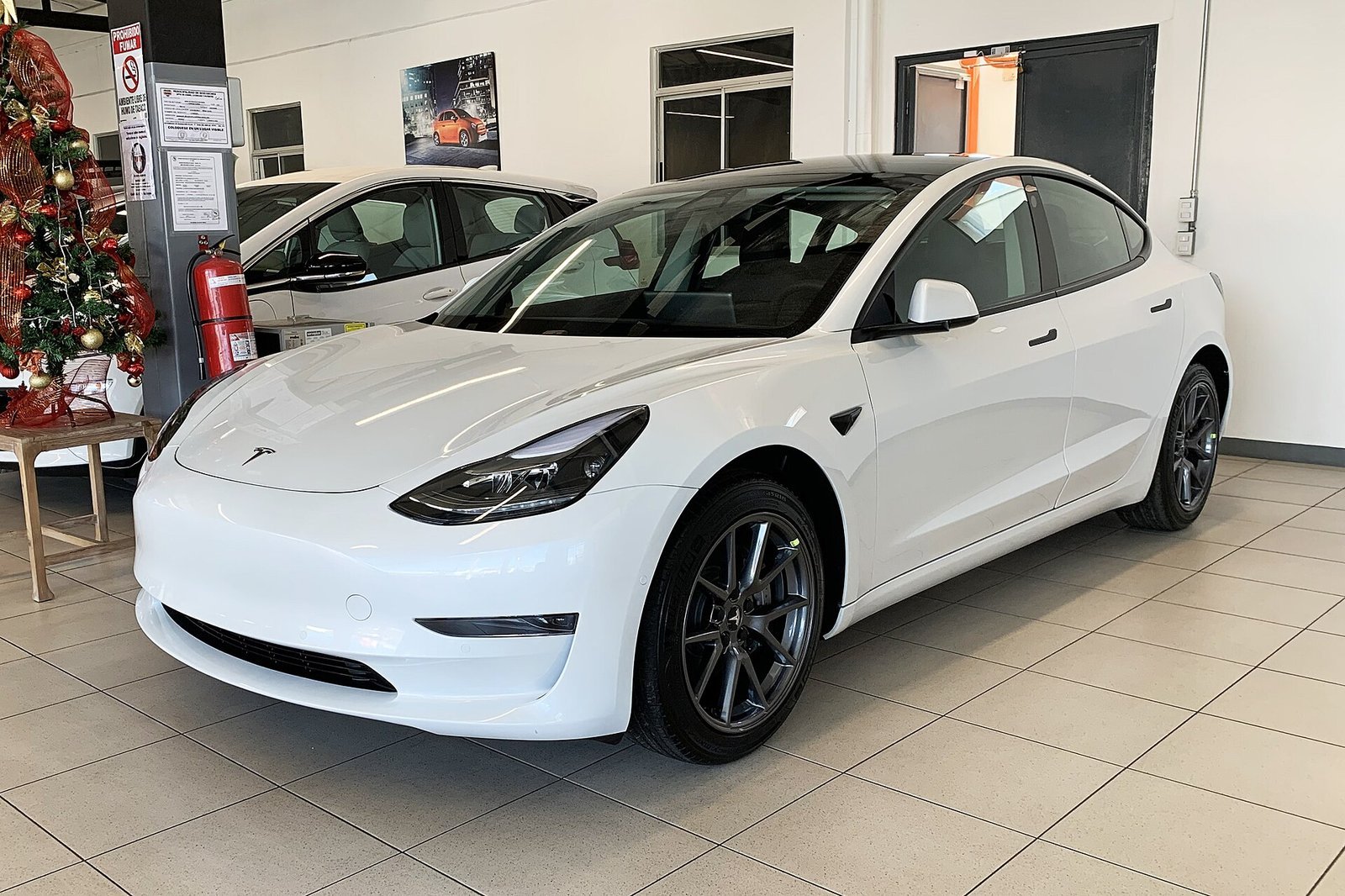
For Tesla holders, the central issue is simpler: whether they are buying into an electric-vehicle maker that is pivoting to robotics, or into a vehicle maker that becomes a minority piece of a space and AI conglomerate. The committees have not agreed on terms, and Musk says there is no guarantee they will.
What to watch
- Tesla’s Wednesday results for any hint of how the company frames the proposal to its own investors.
- Whether either special committee publishes terms, a structure or a timeline — especially the share ratio that would set relative value.
- Reaction from regulators and from the US government, given Starshield’s defence contracts.
- Whether Musk’s other investors push for governance safeguards to offset a single controlling executive.
Sources: BBC News and BBC analysis of the proposed merger.