
 By asahifile

On Wednesday afternoon the PHP Foundation shipped emergency fixes for two critical vulnerabilities in the programming language that quietly runs a huge share of the public web. National cyber-security agencies in the United Kingdom, the European Union and Australia told organisations to install the update immediately or consider taking their systems offline, and several did exactly that. The Netherlands’ cyber-security agency took its own website down. So did parts of Finland’s government, Edinburgh City Council and the BBC.
The unusual part is not that PHP had a bad week. It is that, according to OpenAI, an AI model found one of the two flaws before anyone attacking the internet did.
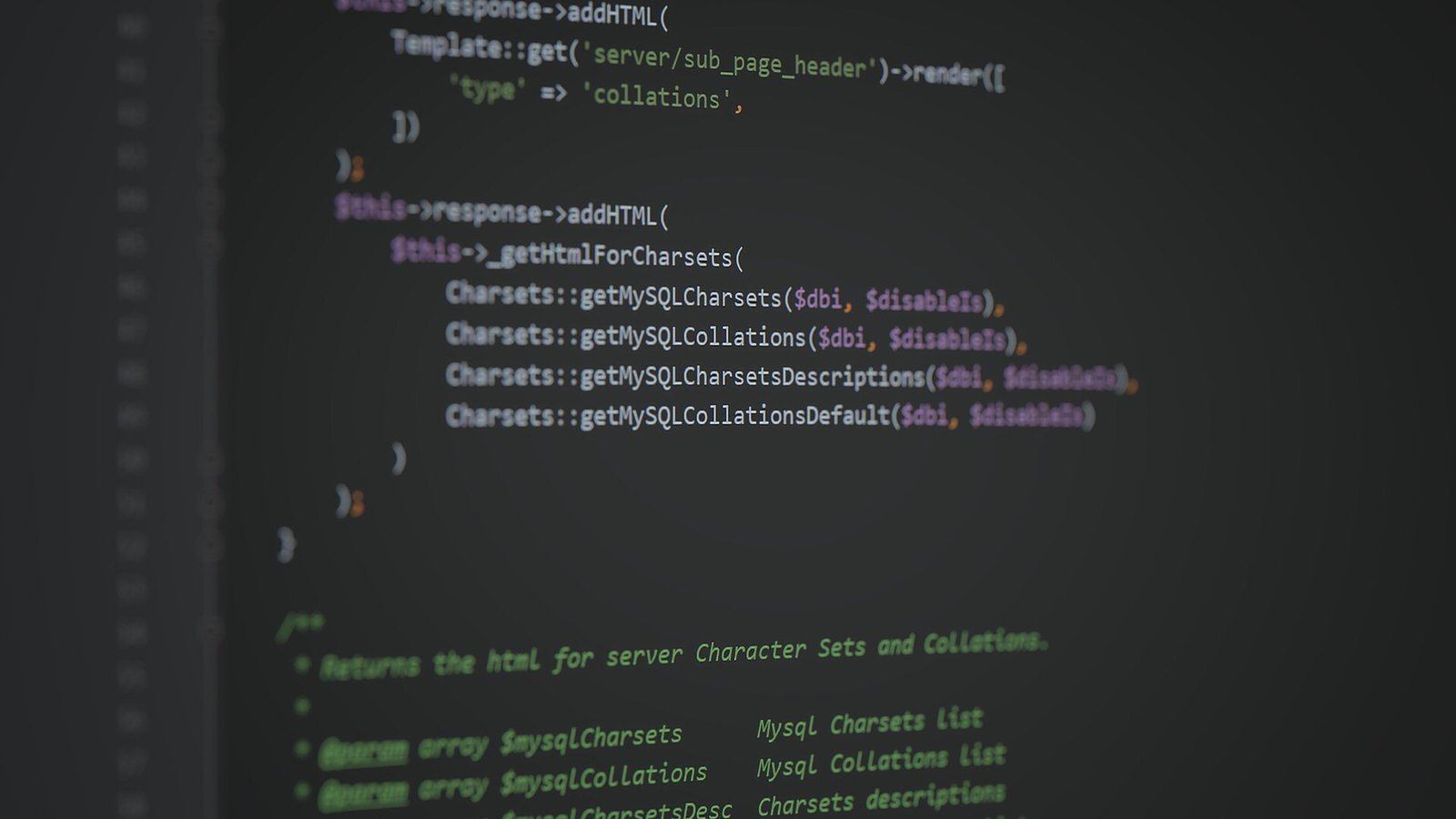
What was actually broken
PHP is not a household name, but it is plumbing. Security firm Huntress put it bluntly: “PHP is everywhere. It quietly powers WordPress, Drupal, Joomla, and Magento sites, shared hosting platforms, control panels, and an awful lot of software that doesn’t even advertise that it runs PHP under the hood.”
The European Union’s CERT-EU said the risk scores assigned to the two issues “indicate the potential for unauthenticated remote code execution” — the class of bug that lets an attacker run their own code on a server without any password at all, install malware, and take a site down. CERT-EU added that the problems could reach back to PHP 5, a version first released in 2004.
The Defender’s Window
OpenAI’s account, published the same day, is that its Patch the Planet programme spent roughly two months on a coordinated response. The company says the security firm Calif identified a critical flaw using one of OpenAI’s models, GPT-5.6 Sol, while Wiz independently discovered and reported both vulnerabilities. PHP’s maintainers then led the fix and the release, with researchers, Cloudflare and others preparing protections ahead of disclosure.
“To our knowledge, frontier AI found these vulnerabilities before attackers did, opening a Defender’s Window for maintainers and security providers to prepare fixes and protections ahead of disclosure,” the company wrote. It also committed a billion dollars in subsidised access to its cyber-capable models for organisations with limited security budgets.
The scramble that followed
Cloudflare chief technology officer Dane Knecht said on social media that the company was “seeing early attacks emerging and are updating mitigations as new vectors show up”. Britain’s National Cyber Security Centre advised that where immediate remediation was not feasible, organisations “should consider taking the system offline until it can be fully mitigated”. Afterwards, it said, operators should keep monitoring third-party vendors, including appliances and services that bundle PHP.
OpenAI published a version checker as a Codex skill so administrators could identify potentially affected installs, and pointed operators at CISA’s guidance on prioritising security updates by risk.
Why this matters beyond one language
The interesting question is not whether AI can find bugs — it clearly can. It is who gets told, and how fast. OpenAI used the disclosure to float a five-stage framework covering validation, advance notice for affected organisations, coordination with government agencies, preparation of updates across products and, finally, public guidance. It is openly asking the security community where that framework is too slow, too leaky or too burden-prone.
The load, meanwhile, lands on maintainers. Many open-source projects are run by small teams who triage security reports alongside ordinary development, and a machine that can generate findings at scale can drown them in duplicates and false positives. That is the gap the initiative says it wants to close, by reproducing findings and writing patches before maintainers ever see them.
The harder trade-off is that the same capability helps attackers. OpenAI concedes as much, and says it is calibrating classifiers to limit misuse while trying not to block legitimate security research — a balance that will shape how quickly the next round of flaws is found, patched or exploited.
What to watch
- Post-disclosure exploitation: whether any of the early attacks Cloudflare flagged turn into mass compromise of unpatched sites.
- The maintenance gap: whether funded programmes keep pace with the volume of AI-generated reports, or overwhelm volunteer maintainers.
- The disclosure debate: how much advance notice distributors, hosting providers and governments get — and who is left out of the room.
- Whether AI-discovered flaws stay inside a defender-led process, or become a routine source of zero-days for attackers.
Sources: BBC News, OpenAI, and the UK National Cyber Security Centre advisory on the PHP security issue.