
 By asahifile
The head of the UN’s disarmament research institute put the question to journalists on Tuesday in its bluntest form. “Are we going to let machines target and kill human beings?” asked Robin Geiss, director of UNIDIR, at a briefing in New York. His answer was not a prediction about killer robots arriving one day. It was a description of an erosion already under way: AI, he said, is “on track to crowding out human decision-making” in military affairs.
That framing matters more than the familiar debate about fully autonomous weapons. The risk Geiss described is not a single system deciding to fire, but an accumulation of systems that together leave commanders with less time, less information they can interrogate and fewer realistic opportunities to say no.
What is actually changing
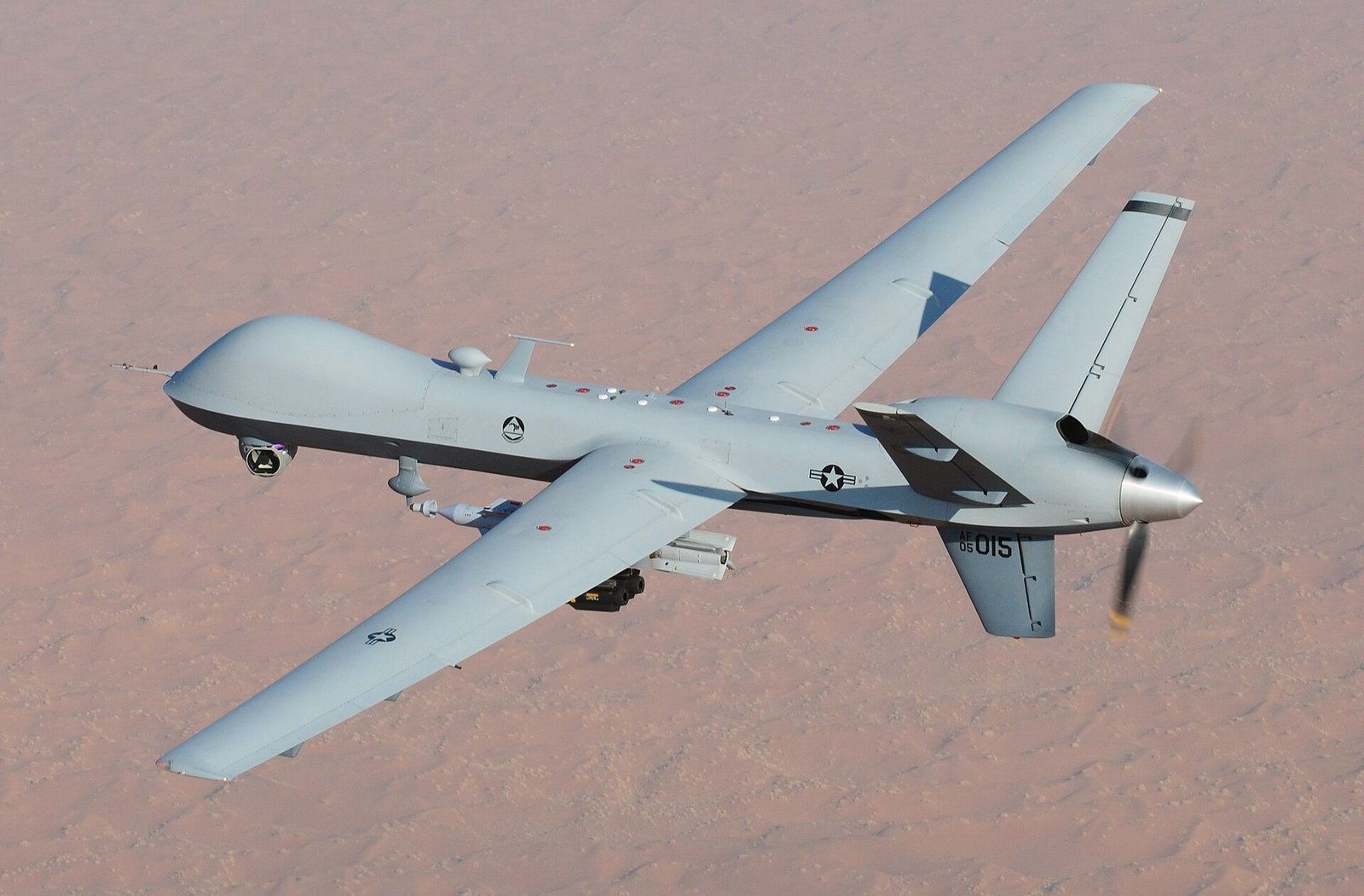
AI is already embedded across the military stack: intelligence analysis, target identification, drone operations and the orchestration of cyber-attacks. Geiss said the effect is to compress decision cycles “to machine speed”, shrinking what he called the margin for human judgment, “including in the nuclear domain”. One consequence is quantitative: forces can engage far more targets per day, because the sensor-to-shooter loop is shorter. Another is qualitative: the systems doing the sorting are often opaque, which raises what he described as the risk of error, miscalculation and unintended escalation.
There is a second, quieter shift. As AI tooling becomes easier to obtain and operate, the entry threshold for sophisticated military operations falls. Geiss warned that non-state armed groups will be able to plan, execute and sustain operations with capabilities that were recently the preserve of states.
Why opacity is the binding constraint
Speed is not inherently dangerous; unreviewable speed is. A human commander who cannot explain why a system ranked a target as hostile has no meaningful way to withhold force, and a state that cannot explain its own system’s behaviour to a rival has no way to reassure it. That is the mechanism by which a technical optimisation becomes a strategic risk: both sides compress decision time, neither can verify the other’s intent, and crisis-stabilising pauses get designed out of the process.
This is where the vocabulary problem bites. Geiss noted that terms such as autonomy, safety and security are used so differently by different stakeholders that they create ambiguity which itself hinders trust and cooperation. A working group cannot agree on guardrails for “meaningful human control” if participants disagree about what the phrase describes. UNIDIR’s new Centre of Excellence on AI, Peace and Security is launching a multi-stakeholder forum on Thursday, with one workstream dedicated to exactly that: an “AI security lexicon”.
The diplomatic picture is less frozen than it looks
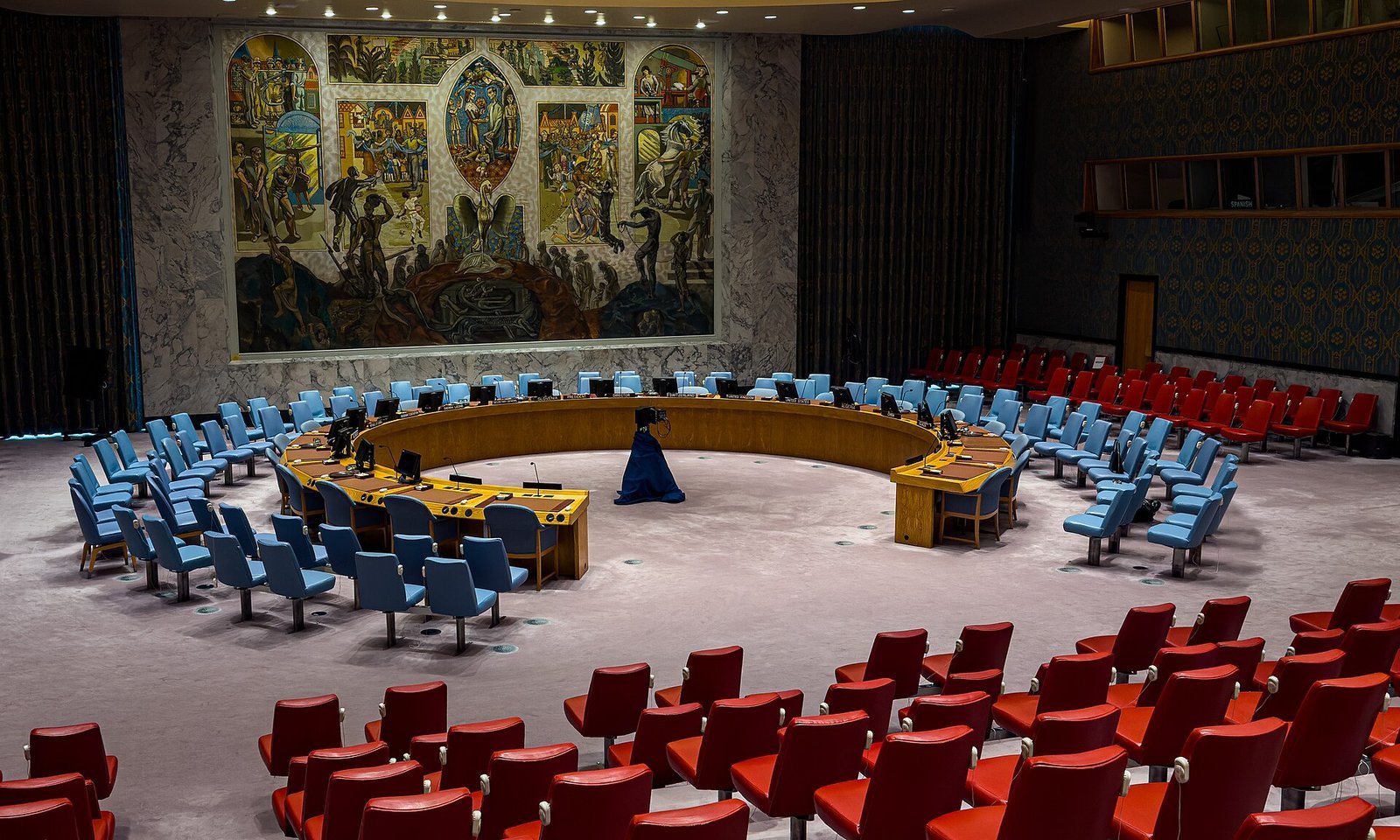
Geiss acknowledged that geopolitical competition is a “serious obstacle” to regulation, but pointed to signs of convergence. In September, the United States proposed an AI “notification mechanism” with China, so that the world’s two largest military spenders can warn each other about AI incidents that threaten national security. The UN Secretary-General’s calls for a legally binding instrument on lethal autonomous weapons systems, he said, are finding an echo across the international community.
Notification mechanisms are modest instruments: they assume both sides want to avoid accidental escalation and can agree on what counts as an incident worth reporting. That assumption is doing a lot of work. But it is also the kind of small, verifiable step that arms-control history suggests can precede larger ones.
The three things to watch
- Whether the new UNIDIR forum produces voluntary industry guidelines with any verification, or settles for principles that companies self-certify.
- Whether the US-China notification proposal survives contact with a real AI incident, and how each side defines one.
- Progress toward a binding instrument on lethal autonomous weapons at the UN General Assembly, where the Secretary-General has urged conclusion of a treaty.
- Whether any military publishes an incident report describing an AI-assisted targeting error, which would create the precedent that opacity currently prevents.
Sources: UN News, Anadolu Agency, UN General Assembly report A/80/78.