
 By asahifile
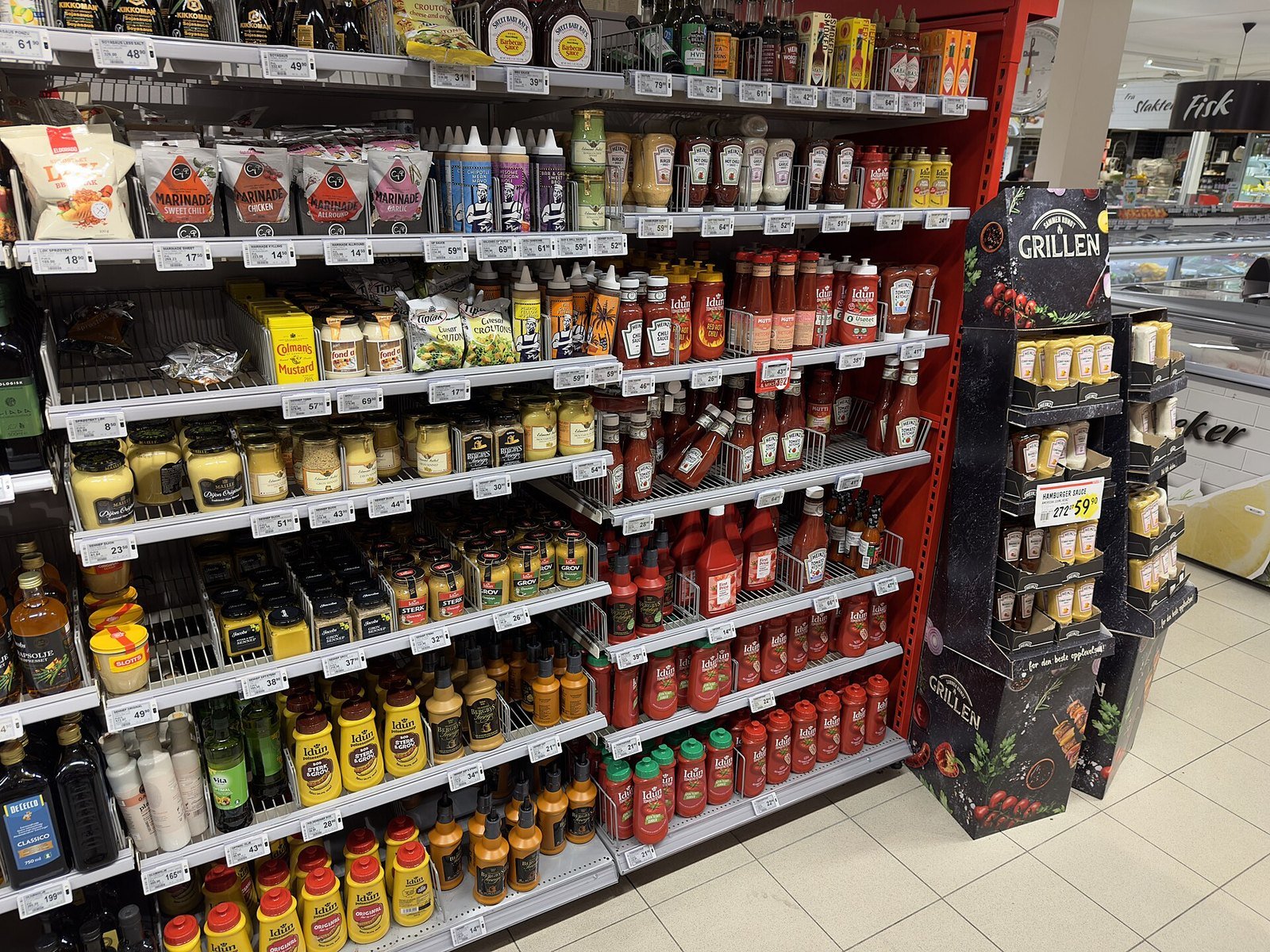
American shoppers are not angry about prices alone. They are angry about the machinery setting them. Digital shelf labels are replacing paper tags in grocery aisles, AI tools help retailers predict how customers will respond to a price, and terms like “dynamic pricing” and “surveillance pricing” have moved from trade press into social feeds where users speculate about whether two people see different numbers for the same box of cereal.
The honest answer to that speculation is that the industry’s disclosure is too thin to settle it — and that is a policy problem, not a vibes problem.

Three different practices are being argued about as one
Dynamic pricing adjusts prices to market conditions: airlines as departure approaches, ride-hailing at rush hour. Algorithmic pricing uses software to recommend or set prices from sales data and competitors’ prices. Personalised pricing — what critics call surveillance pricing — offers different prices or discounts based on location, income, browsing habits or other data about individuals or groups.
The evidence for the alarming version is mixed. Decodo, a web data company, tracked US price changes across electronics, clothing and home improvement supplies in 2025 and found about half of the changes it recorded were decreases — the opposite of the assumption that dynamic pricing only ratchets up. Relex Solutions, a retail technology firm, says retailers typically refresh electronic labels on a schedule, often weekly, because shoppers value consistency, and that researchers who tracked prices at an unnamed grocery chain found “virtually no surge pricing” after the labels arrived. Walmart’s chief executive, John Furner, wrote last month that digital tags save workers’ time and are not used to raise prices based on weather, time of day or the individual shopper: “We price the product, not the person.”
At the same time, adoption is spreading. In a Simon-Kucher survey of more than 2,200 business leaders across 28 countries and 39 industries, 41 per cent said they used AI software to gather market intelligence including competitors’ prices, and 28 per cent said they used it for real-time price optimisation.
The gap is verification, not intent
“We price the product, not the person” is a statement of intent, and nothing in a weekly shelf-label update schedule proves it. An FTC staff report in January 2025 found intermediaries offering tools that can tailor prices and promotions working with at least 250 clients, including grocery and clothing retailers. When pricing logic sits with a third-party intermediary, and the inputs include data a shopper never realised was collected, the consumer has no way to audit the claim and the regulator has to reconstruct it after the fact.
That asymmetry is why the FTC has proposed an enforcement policy warning businesses that failing to disclose the use of personal data to set individualised prices could violate consumer protection law, and why legislators in at least 30 states considered pricing bills this year. Maryland, New Jersey and Connecticut have enacted restrictions, with the Maryland and New Jersey laws focused on groceries. Target agreed to a $5 million settlement and a ban on using geofencing technology to raise prices; the company said the app functionality was about accurate pricing and that it did not personalise prices from a guest’s data or behaviour.
Where this is heading: competition law, not just privacy
The harder question is not whether one shopper pays more than another, but whether algorithms let competitors raise prices together without ever speaking. The FTC’s 2023 suit against Amazon alleged that a tool codenamed Project Nessie identified products whose prices Amazon could raise with competitors likely to follow, generating more than $1 billion in excess profits; a trial is scheduled for next year and Amazon says the allegations “grossly mischaracterise” the tool, which it says was scrapped. A consumer suit against McDonald’s alleges its pricing system used nonpublic sales data from competing locations to coordinate prices; the company calls the suit “filled with inaccuracies”.
Grocery is the flashpoint because demand is inelastic: people buy roughly the same basket regardless, so a small algorithmic nudge has an outsized effect on a household budget. The National Retail Federation’s line — that algorithmic pricing is a new method of doing what retailers have always done — is defensible on the supply-and-demand story and silent on the coordination story.
What to watch
- Whether the FTC finalises its enforcement policy on personalised pricing, and how it defines disclosure.
- The Amazon trial next year, which will test how much of the algorithmic-collusion theory survives contact with a courtroom.
- State legislation in 2027: whether the grocery-focused Maryland and New Jersey model spreads, or Connecticut’s broader retail scope wins.
- Whether large retailers publish pricing-input disclosures voluntarily — the cheapest way to defuse suspicion.
- Shelf-label deployment pace, and whether any regulator requires audit trails showing what data a price decision used.
Sources: Associated Press (via U.S. News); ABC News; AP on the FTC proposal; AP on the Amazon case.