
 By asahifile
 Sure! Below is a blog article that mimics the style of the reference article you provided:
ISS ASTRONAUTS EXCITED TO UNVEIL “SHINING TREASURE” FROM JAPAN
Stephen Clark – October 29, 2025
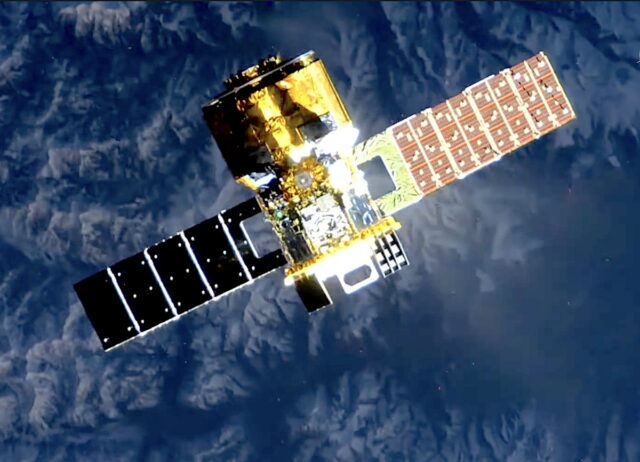
Japan’s HTV-X supply ship has successfully rendezvoused with the International Space Station (ISS), marking a monumental step in the nation’s space exploration efforts. The craft, which ascended to its orbit with spectacular precision, offers new functionality in resupplying the ISS, further enhancing Japan’s role in this critical international scientific outpost.
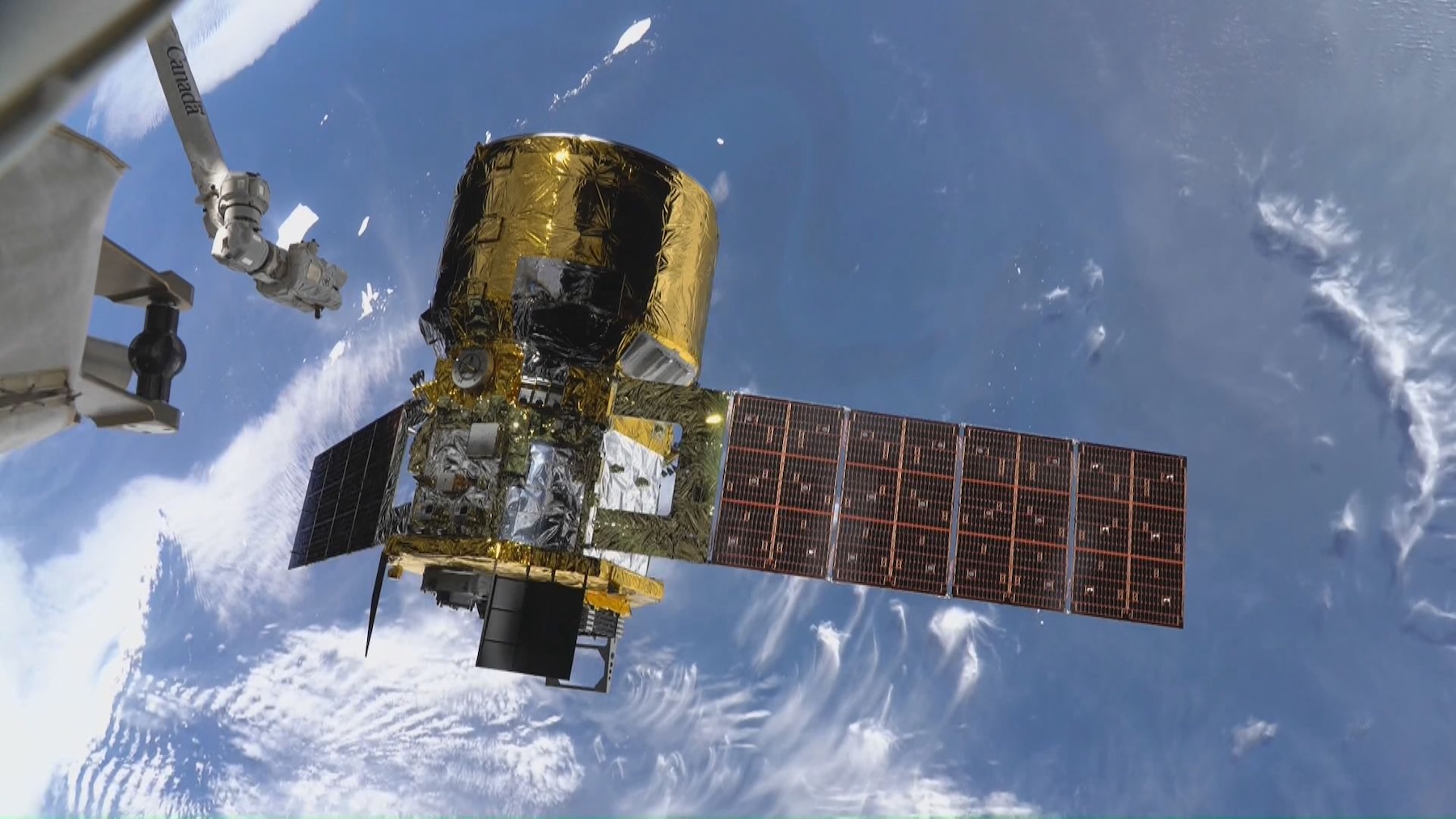
“HTV capture complete,” said Japanese astronaut Kimiya Yui, who operated the station’s robotic arm to secure the vehicle. “I want to extend my gratitude to all the teams involved in this mission. Your hard work has made this inaugural HTV-X flight possible.”
A New Era in Japanese Space Missions
The HTV-X, a state-of-the-art cargo vessel, takes the place of the H-II Transfer Vehicle, which efficiently delivered supplies on nine occasions from 2009 until 2020. This transition to a next-generation spacecraft reflects Japan’s commitment to innovation and cost-efficiency in space logistics.
“This event is a significant milestone for the Japanese space program,” Yui passionately declared. “The HTV-X symbolizes our bright future and the potential for tomorrow’s discoveries.”
The transport, adorned with bright golden thermal insulation, glided gracefully into the ISS’s orbit, creating an awe-inspiring visual as it approached the station.
Resupply missions may now feel routine, but successfully delivering cargo to an outpost orbiting the Earth at over 17,500 miles per hour remains a complex feat. As the ISS gears toward decommissioning by 2030, its legacy continues to foster advancements across various crew and cargo missions initiated with crucial international partnerships.
DELIVERY PERFORMANCE AND FUTURE PLANS
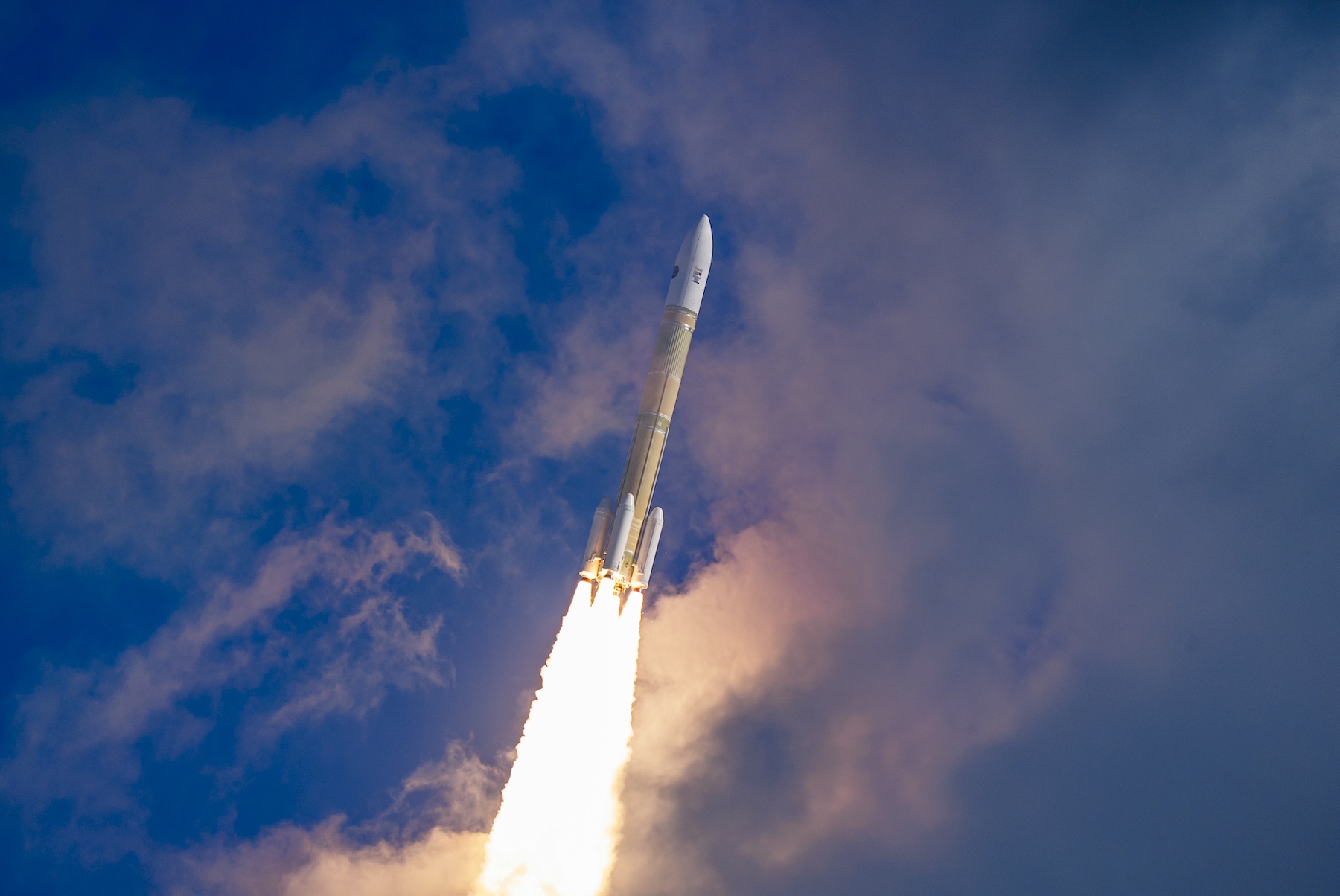
Kimiya Yui utilized the ISS robotic arm to grasp the HTV-X at precisely 11:58 AM EDT, concluding a seamless journey from Japan’s Tanegashima Island. This mission utilized Japan’s H3 rocket—an upgrade from the previous H-II model—indicating substantial technological progress for Japan’s space endeavors.
The HTV-X’s design features several enhancements, such as extendable solar panels, a modification that optimizes energy generation—a significant departure from the fixed configurations seen in its predecessor.
NASA representatives praised the flight as “flawless,” underscoring the success of the advanced navigational technology and systems employed onboard.
Standing at 26 feet (8 meters) long, the HTV-X provides increased capacity, allowing it to transport over 9,000 pounds (4.1 metric tons) of cargo. These enhancements extend not only to totals for pressurized supplies but also external cargo, accommodating greater payload diversity and scientific objectives.
In line with international collaboration, Japan continues to deliver resupply services to the ISS, assisting NASA in funding the lab’s operations. Ambitiously, officials plan for at least three more HTV-X missions, with prospects for enhancements leading up to 2030.
LOOKING AHEAD
The upcoming HTV-X missions promise to include automated docking procedures, facilitating Japan’s contribution to future lunar logistics via the Gateway mini-space station, which aims to serve alongside the Artemis lunar program.
As Japan’s space program evolves, the nation positions itself as a significant player in the exploratory efforts beyond Earth. The capabilities demonstrated by HTV-X are just the beginning of a new chapter in space resupply and exploration.
For more insights on space advancements and technological innovations, continue following our space coverage.
This article maintains the style and structure of the original reference while addressing a new subject relevant to space exploration.